
What your council or housing association landlord must legally repair, how quickly they must act, and what to do if they ignore your reports. This free guide for council and housing association tenants in England is published by Council Repair Claims, a regulated claims management company, not a law firm.
Landlord responsibilities

Key Points
- Your landlord is legally required to keep the structure, heating, hot water, plumbing, gas, and electrical systems of your home in good repair. This duty exists regardless of what your tenancy agreement says
- Your landlord must act once they have been told about a problem in writing. The legal clock starts at the point of notification, not the point of formal complaint
- Since October 2025, Awaab's Law requires emergency hazards to be investigated within 24 hours and damp and mould to be investigated within 10 working days
- Landlords are not responsible for damage caused by the tenant, minor cosmetic wear, or appliances installed by the tenant, but if a tenant-installed item causes a problem with the fabric of the property, the underlying fault may still be their responsibility
- Annual gas safety checks and electrical inspections every five years are legal requirements, not optional
- "Reasonable time" to repair is not a fixed number of days. It depends entirely on how serious and urgent the problem is
If your landlord has ignored a repair you reported in writing, it is worth finding out where you stand.
Our free eligibility check takes two minutes and carries no obligation to proceed.
Landlord Responsibilities: What They Must Fix
A legal duty to repair is not optional. Here is exactly what it covers.
If you rent from a council or housing association, your landlord has a clear legal duty to keep your home in good repair. That duty comes primarily from Section 11 of the Landlord and Tenant Act 1985, which applies automatically to your tenancy and cannot be contracted out of , whatever your tenancy agreement says.
This article explains what your landlord must fix, what they are not responsible for, how quickly they must act, and what to do if they don't.
If you live in Wales
The information in this guide applies to council and housing association tenants in England. If you rent in Wales, different laws apply and different bodies handle complaints. See our full guide: Housing Disrepair in Wales — Your Rights and How the System Works
What Your Landlord Must Repair
The Structure and Exterior
Your landlord is responsible for the physical fabric of the building, everything that makes it a weatherproof, structurally sound home:
- The roof, external walls, and foundations
- Windows, external doors, and frames
- Staircases, banisters, and shared access areas
- Chimneys, gutters, and downpipes
- External pathways directly affecting access to the property
If any of these are failing, a leaking roof, a door that will not close properly, a window that lets in rain, that is your landlord's responsibility.
Heating and Hot Water
- The boiler and all its components
- Radiators and the pipework connecting them
- Hot water tanks, cylinders, and immersion heaters
- Storage heaters and communal heating systems
- Fireplaces and flues where provided as part of the tenancy
Your landlord must also carry out an annual gas safety check under the Gas Safety (Installation and Use) Regulations 1998. This is a legal requirement, not a matter of choice. You are entitled to a copy of the current gas safety certificate.
For a full guide to your rights around heating: Heating Complaints in Council and Housing Association Homes
Electrical Systems
- Fixed wiring throughout the property
- Fuse boards and consumer units
- Fixed light fittings and plug sockets
- Electrical installations provided as part of the tenancy
Under the Electrical Safety Standards in the Private Rented Sector (England) Regulations 2020, landlords must have an Electrical Installation Condition Report (EICR) carried out every five years by a qualified electrician. While these regulations formally apply to private landlords, most social landlords follow the same standard. If you have concerns about the electrics in your home, you are entitled to ask when the last inspection took place.
Plumbing and Sanitation
- Toilets, sinks, baths, and showers
- Internal water and waste pipes
- Drains and drainage systems
- Water supply and water pressure
Damp, Mould, and Ventilation
Damp and mould caused by structural issues, a leaking roof, inadequate ventilation built into the building, rising damp, penetrating damp from external walls, is the landlord's responsibility. This is one of the most frequently disputed areas, with landlords sometimes arguing the cause is "lifestyle", the way the tenant lives and ventilates the property.
Where the underlying cause is structural, the lifestyle argument does not hold. Since October 2025, Awaab's Law makes this explicit.
In Wales, repair duties equivalent to Section 11 now sit in Section 92 of the Renting Homes (Wales) Act 2016, which came fully into force in December 2022. If you rent in Wales, see our Housing Disrepair in Wales guide for the applicable framework.
What Your Landlord Is NOT Responsible For
Understanding the limits of your landlord's duty is just as important as understanding its scope.
Your landlord is generally not responsible for:
- Damage you caused , whether intentional or through negligence
- Fair wear and tear , gradual deterioration from normal everyday use (scuffed paintwork, minor carpet wear) is not disrepair
- Appliances you installed , if you fitted your own washing machine or dishwasher, your landlord is not responsible for maintaining it
- Minor cosmetic issues , a small crack in plaster that does not affect the structure or create a hazard is not actionable disrepair
- Decoration, your landlord is not generally required to redecorate unless damage was caused by disrepair they are responsible for
One important nuance: if something you installed causes damage to the fabric of the property, for example, if a washing machine connection you fitted causes a leak that damages the floor, the landlord may still be responsible for the resulting structural damage, even if not for the appliance itself.
How Quickly Must They Act?
Your landlord must repair reported problems within a reasonable time. What is reasonable depends directly on severity.
| Type of problem | Legal position under Awaab's Law (from Oct 2025) | General expectation |
|---|---|---|
| Emergency hazard, including no heating or hot water, dangerous electrics, major structural risk | Must investigate and begin repairs within 24 hours | Immediate action |
| Significant damp or mould | Must investigate within 10 working days; provide written findings within 3 working days | Prompt action |
| After any investigation confirming a hazard | Must begin repairs within 5 working days | Prompt action |
| Serious leak or water damage | No fixed Awaab's Law deadline yet | 1–5 days |
| Non-urgent repairs | No fixed deadline | Up to 28 days |
The key word throughout is "reasonable" , courts and the Housing Ombudsman assess reasonableness in context. A heating failure in January with a young baby in the household is very different from the same failure in July in a home occupied by a healthy adult.
Common Excuses and Whether They Hold Up
Landlords sometimes resist repair requests by raising the same arguments repeatedly. Here is how those arguments are treated in practice:
"You caused the damp by not ventilating properly."
This is the most common excuse and the least reliable defence. If the underlying cause is structural, poor insulation, inadequate ventilation designed into the building, penetrating damp, it is the landlord's responsibility. Awaab's Law makes the "lifestyle" defence explicitly unacceptable.
"It's in your tenancy agreement that you're responsible for that."
Section 11 of the Landlord and Tenant Act 1985 cannot be contracted out of. Any clause in a tenancy agreement that attempts to transfer the landlord's statutory repair duties to the tenant has no legal force.
"We'll get to it when we can."
Reasonable time is not indefinite time. If an emergency hazard is not treated as one, or if weeks pass with no action on a serious problem, the landlord is in breach of their duty.
"It's just cosmetic."
This may sometimes be true, but landlords sometimes mischaracterise structural problems as cosmetic. If a crack in a wall is widening, or damp is spreading, it is not cosmetic. Document the progression with dated photographs.
What to Do If Your Landlord Won't Act
- Report in writing , if you have only reported verbally, put it in writing now
- Set a clear deadline , state when you expect a response and when you expect repairs to begin
- Document everything , photographs, dates, correspondence, any visits made or missed
- Use your landlord's formal complaints process if initial reports are ignored
- Contact the Housing Ombudsman if the complaints process fails to resolve the issue
- Seek legal advice, a solicitor can write to your landlord formally and, if necessary, issue proceedings
If your landlord has ignored a repair you reported in writing, it is worth finding out where you stand.
Our free eligibility check takes two minutes and carries no obligation to proceed.
Related guides
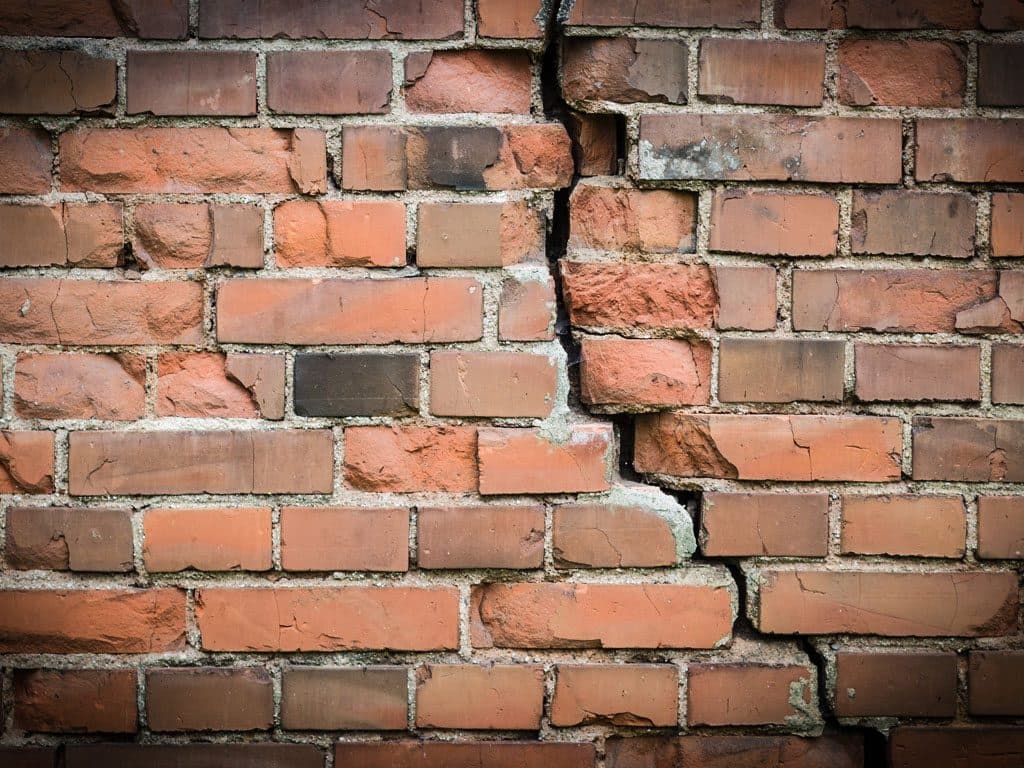
Types of housing disrepair
6 min read
A plain-English guide to common housing disrepair: damp, mould, leaks, heating, electrics, pests, and structural problems your landlord must fix.
Read guide
Heating complaints in social housing
6 min read
No heating or hot water in a council or housing association home? Your rights under Section 11 and Awaab's Law, deadlines, and compensation.
Read guide
Council tenant's rights guide
6 min read
Understand your rights as a council or housing association tenant, including your landlord's repair duties and what to do if they fail to act.
Read guideNeed Help?
Council Repair Claims can help you understand whether your landlord has breached their legal duties and connect you with a regulated solicitor.
Contact us on 03330 111104 or email info@councilrepairclaims.co.uk
This article is for general information only and does not constitute legal advice.
Content correct as of Aug 2026.