
Common housing problems across winter, spring, summer and autumn, and your landlord's duties for each season. When to report and what to expect. This free guide for council and housing association tenants in England and Wales is published by Council Repair Claims, a regulated claims management company, not a law firm.
Seasonal housing issues
Key Points
- Autumn is the most strategically important season. If your heating was unreliable last winter, write to your landlord before temperatures drop again. A known fault left unaddressed before winter significantly strengthens any subsequent claim
- Since October 2025, no heating or hot water is classified as an emergency hazard under Awaab's Law. Your landlord must investigate and begin repairs within 24 hours of being notified
- If your household includes a baby, young child, elderly person, or someone with a respiratory condition, you have stronger grounds for emergency treatment in winter
- Spring often reveals the full extent of winter damage. Roof leaks, structural damp, and burst pipe damage frequently only become visible once temperatures rise. Document everything promptly with dated photographs
- Excess heat will become a fixed-deadline hazard under Awaab's Law Phase 2 in 2026. If your home overheats seriously in summer, report it in writing now and document the impact
- The limitation period for a housing disrepair claim is six years. Problems that have been ongoing across multiple seasons can still be claimed for, provided they were reported in writing
Think this applies to your situation?
A free two-minute check will tell you whether you may have a valid claim.
Seasonal Housing Issues: What Your Landlord Must Fix and When
Housing problems change with the seasons. Knowing what to expect, and when, helps you act at the right time.
Your landlord's duty to keep your home in good repair does not follow the seasons, it is year-round. But the problems that emerge in your home often do follow a seasonal pattern, and understanding that pattern means you can identify problems earlier, report them at the right moment, and build a stronger record if things are not fixed.
This guide goes through each season honestly, not just listing problems, but explaining what the law says, when landlords are most likely to drag their feet, and what you should be doing to protect yourself.
Autumn: The Most Important Season to Act
Autumn is the season most tenants underestimate. It is also, from a legal standpoint, the most strategically important.
Why autumn matters: if your heating was unreliable last winter, or if your boiler broke down and took weeks to fix, autumn is the moment to write to your landlord formally, before temperatures drop again. A landlord who knows about a heating fault and fails to service or repair the system before winter has demonstrably failed to act on a known risk. That strengthens any subsequent claim significantly.
What to do in autumn:
- Write to your landlord requesting that the boiler be serviced before the heating season begins, this is particularly important if you had problems last winter
- Check radiators, bleed if needed (this is typically a tenant's responsibility), and report any that fail to heat properly even after bleeding
- Check window and door seals, draughts that are minor in summer become significant in winter and your landlord is responsible for external windows and doors
- Clear any debris from external gully drains if accessible, report blockages to your landlord if they are not accessible to you
- Check loft hatches and any areas where insulation may have been disturbed
What your landlord should be doing: servicing communal heating systems, clearing gutters and downpipes, checking external structures for any damage that could worsen over winter, and ensuring gas safety certificates are current.
Damp and mould often start showing as the weather turns. If you are still wiping it off, the practical first steps are in how to get rid of damp and mould in social housing.
If you had a heating problem last winter that was not properly fixed, it is worth having that assessed now:
Winter: The Highest-Risk Season
Winter is when housing disrepair is most dangerous, and most legally urgent. Cold homes are not just uncomfortable; they are a documented health risk, particularly for young children, elderly people, and anyone with a respiratory condition.
Heating failures are now legal emergencies. Since October 2025, Awaab's Law classifies no heating or hot water as an emergency hazard in most circumstances. Your landlord must investigate and begin repairs within 24 hours of being told. If your household includes a baby, a young child, an elderly person, or someone with a health condition like asthma, the case for emergency treatment is even stronger.
If your landlord fails to meet this deadline, that failure itself , the gap between when you reported it and when they acted, is evidence for a claim.
Frozen and burst pipes are another common winter emergency. If pipes freeze because your property has inadequate insulation or the heating system was not working, that is a landlord responsibility. Document the damage immediately with photographs before any cleanup begins, water damage that disappears once dried out is harder to evidence later.
Condensation and damp often peak in winter, cold walls, reduced ventilation, and high moisture from cooking and bathing combine to create the conditions mould needs. If the damp is structural in origin, it is your landlord's responsibility. The fact that it is worse in winter does not make it a lifestyle issue. If you are wiping the same patch every morning, start with how to get rid of damp and mould in social housing.
What to do in winter:
- Report any heating failure in writing immediately, stating the date and time and who is in the household
- Note the temperature in affected rooms if possible, a photograph of a thermometer is useful evidence
- Keep receipts for any portable heaters, additional energy costs, or hotel stays if the property becomes unliveable
- Photograph any new damp, mould, or frost damage as soon as it appears
Spring: When Winter's Damage Becomes Visible
Spring often reveals what winter has done. Roof damage, water penetration, structural damp, and the aftermath of burst pipes frequently only become fully apparent as temperatures rise and the property dries out unevenly.
This matters because spring is the season when the evidence of winter disrepair is at its most visible, and therefore most photographable. If you had problems in winter that were dismissed or inadequately repaired, now is the time to document what has been left behind.
What tends to emerge in spring:
- Damp patches on ceilings and walls from roof leaks that were masked by ice and snow
- Mould growth in corners and on walls that worsened over winter
- Damage to external render, brickwork, or pointing caused by freeze-thaw cycles
- Garden paths and steps cracked by frost that present a trip hazard
- Window frames swollen or warped from winter moisture
The limitation period for disrepair claims is six years. This means a problem that has been ongoing, worsening, and reported over several winters can still be the subject of a claim. Spring is a good time to review your records, particularly if you reported problems to your landlord in previous winters and they were not properly addressed.
What to do in spring:
- Photograph all damage that has emerged or worsened since autumn , dated photographs are important
- Write to your landlord reporting anything new or any failure to adequately repair winter damage
- If your landlord carried out a repair over winter that has already failed, document the failure and report it again in writing
Summer: Overheating and the Coming Changes
Summer is often treated as the quiet season for housing disrepair , but it is not without its issues, and the legal landscape is about to change.
Overheating is a serious and under-reported problem in social housing. Flats on upper floors, homes with single-glazed south-facing windows, and properties with inadequate ventilation can reach dangerous temperatures in hot weather. The Housing Health and Safety Rating System (HHSRS) already recognises "excess heat" as a hazard, and from 2026, Phase 2 of Awaab's Law will bring overheating within the scope of fixed legal response deadlines, alongside excess cold.
If your home has been excessively hot in summer and your landlord has been made aware, this is worth documenting now, before the 2026 changes take effect.
Other summer issues:
- Ventilation failures, extractor fans that do not work properly become more significant in summer when natural ventilation through windows may be limited by security concerns
- Water pressure problems are often more noticeable in summer when demand is higher
- Window and door security issues, frames that have warped, locks that stick, or windows that will not fully open or close
What to do in summer:
- Report ventilation failures in writing, particularly in bathrooms and kitchens where moisture accumulates
- Document overheating in writing, note temperatures, dates, and how it affects you and any vulnerable household members
- Report any window or door faults that affect security or ventilation
Year-Round: The Problems That Don't Have a Season
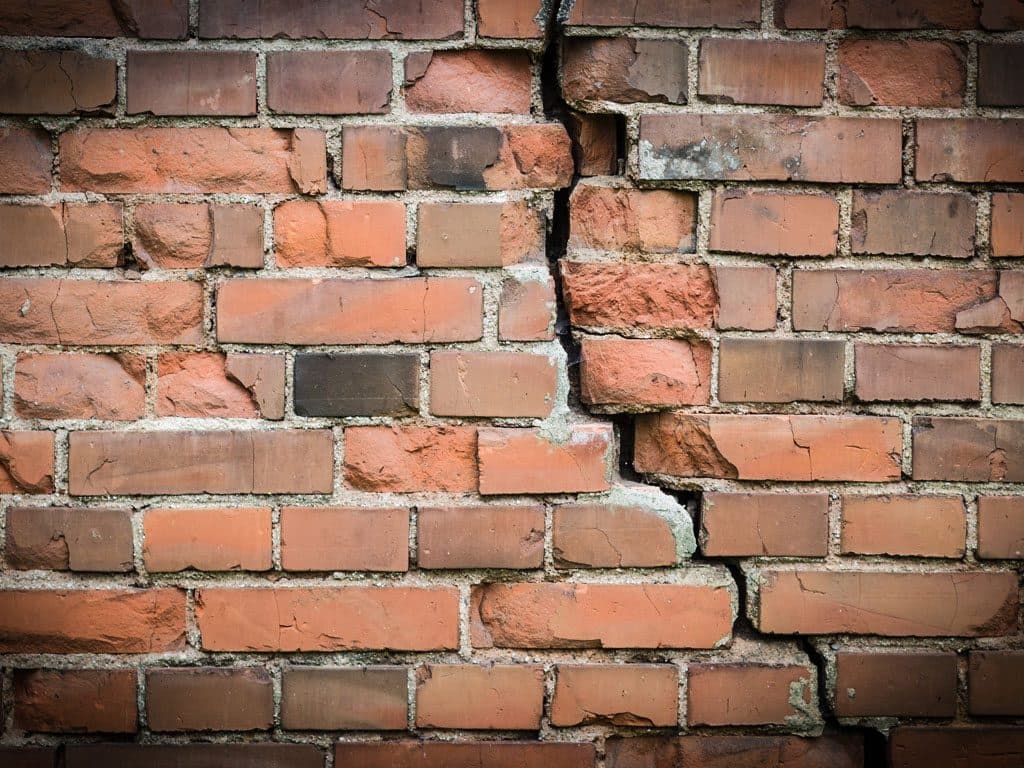
Some disrepair problems have no seasonal pattern but get worse if left unaddressed. These include structural cracks that widen over time, persistent damp from a source that has never been properly identified, electrical faults, and pest infestations related to gaps or damage in the building fabric.
If you are dealing with a problem that has been ongoing for months without being properly resolved, the season is irrelevant, the landlord's failure to act is what matters.
Think this applies to your situation?
A free two-minute check will tell you whether you may have a valid claim.
Related guides
Types of housing disrepair
6 min read
A plain-English guide to common housing disrepair: damp, mould, leaks, heating, electrics, pests, and structural problems your landlord must fix.
Read guide
Heating complaints in social housing
6 min read
No heating or hot water in a council or housing association home? Your rights under Section 11 and Awaab's Law, deadlines, and compensation.
Read guide
Landlord responsibilities
6 min read
What your council or housing association landlord must legally repair, how quickly they must act, and what to do if they ignore your reports.
Read guideNeed Help?
If you are dealing with seasonal housing problems that are not being addressed, Council Repair Claims can help you understand your rights and connect you with a regulated solicitor.
Contact us on 03330 111104 or email info@councilrepairclaims.co.uk
This article is for general information only and does not constitute legal advice.
Content correct as of Aug 2026.