Types of Housing Disrepair – What Your Landlord Must Fix (and What They Don't Have To)
If you rent from the council or housing association, your landlord is responsible for keeping your home safe and in good condition. Below is a list of common problems, what they mean, and what your landlord must fix.

Damp and Mould
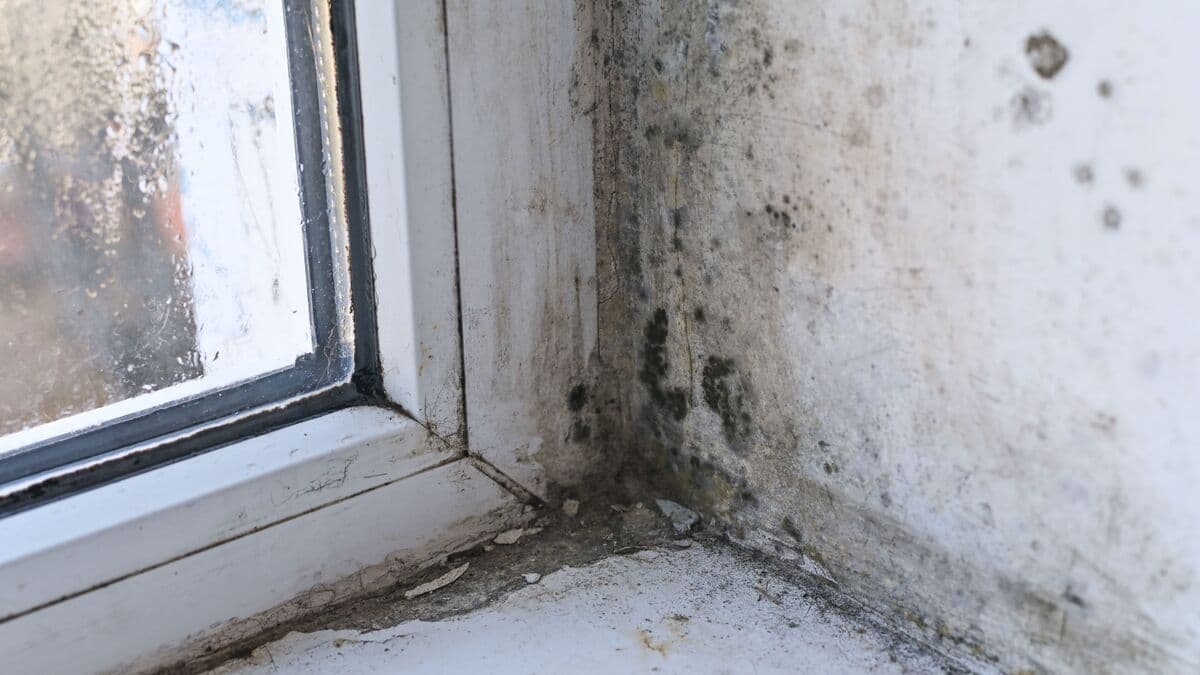
Black patches on your walls, a musty smell, or peeling paint caused by too much moisture in your home.
What your landlord must fix:
Leaks from the roof, plumbing, or walls
Poor ventilation (like no working extractor fan)
Mould caused by faults in the property
What they may not fix:
Mould caused by not opening windows or drying clothes indoors without ventilation

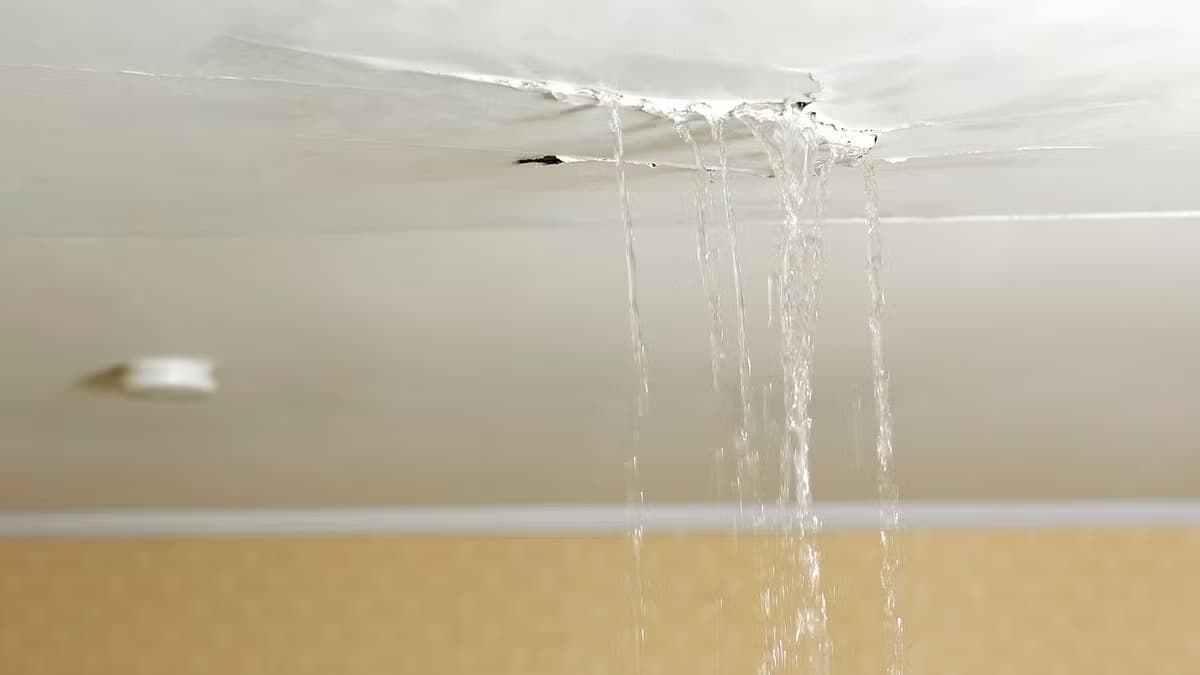
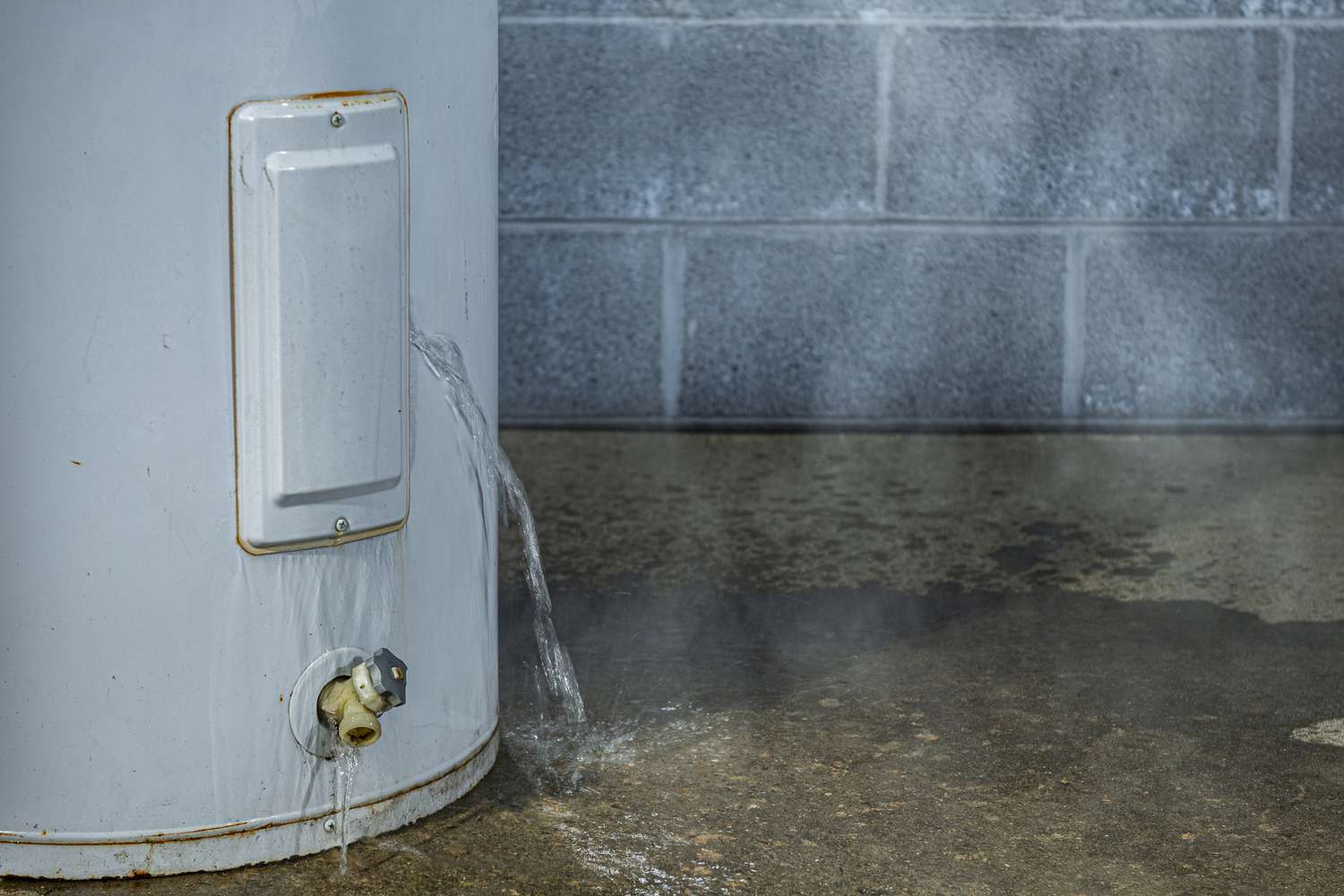
Leaks and Water Damage
Water getting into your home through the roof, walls, or pipes — this can lead to stains, damp smells, and damage to floors or ceilings.
What your landlord must fix:
Leaking roofs, burst pipes, or faulty gutters
Water stains or damage caused by those leaks
What they may not fix:
Leaks from appliances you installed (like a washing machine)
Damage caused by something you broke or neglected

Heating and Hot Water Problems
No central heating, no hot water from taps or showers, or heating that doesn't work properly — especially a problem in winter.
What your landlord must fix:
Broken boilers or radiators
Hot water not working due to plumbing issues
Heating systems that don't work safely
What they may not fix:
Issues with heating systems you installed yourself
Small issues that don't stop the system working

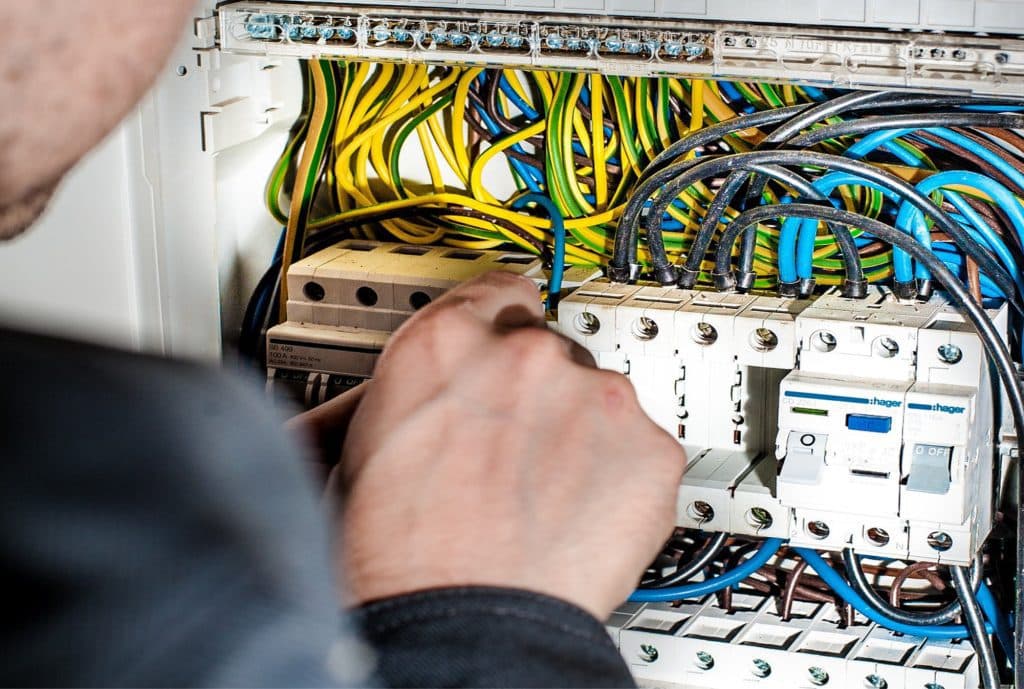
Faulty Electrics
Lights flickering, sockets not working, or loose wires — any of which can be dangerous.
What your landlord must fix:
Unsafe wiring or electrics in the walls
Broken light fittings or power sockets
Any risk of fire or electric shock
What they may not fix:
Problems with your personal appliances (like a kettle)
Damage you caused by misuse

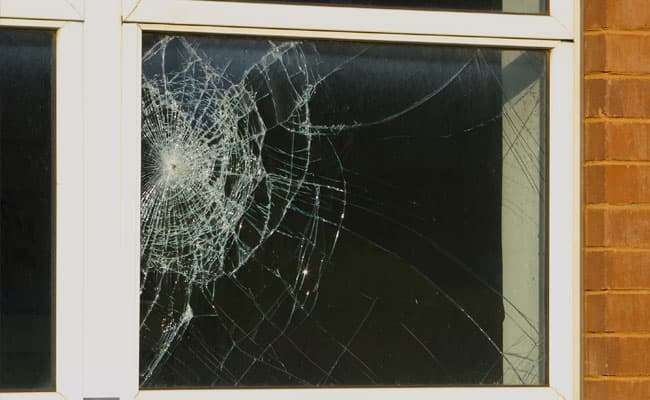
Broken Windows, Doors, or Locks
Windows that won't close properly, doors that don't lock, or damage making your home unsafe or draughty.
What your landlord must fix:
Faulty or broken locks, hinges, or handles
Windows or doors that let in cold, damp, or make the home unsafe
What they may not fix:
Damage caused by accidents or forced entry
Upgrades unless it's a repair issue

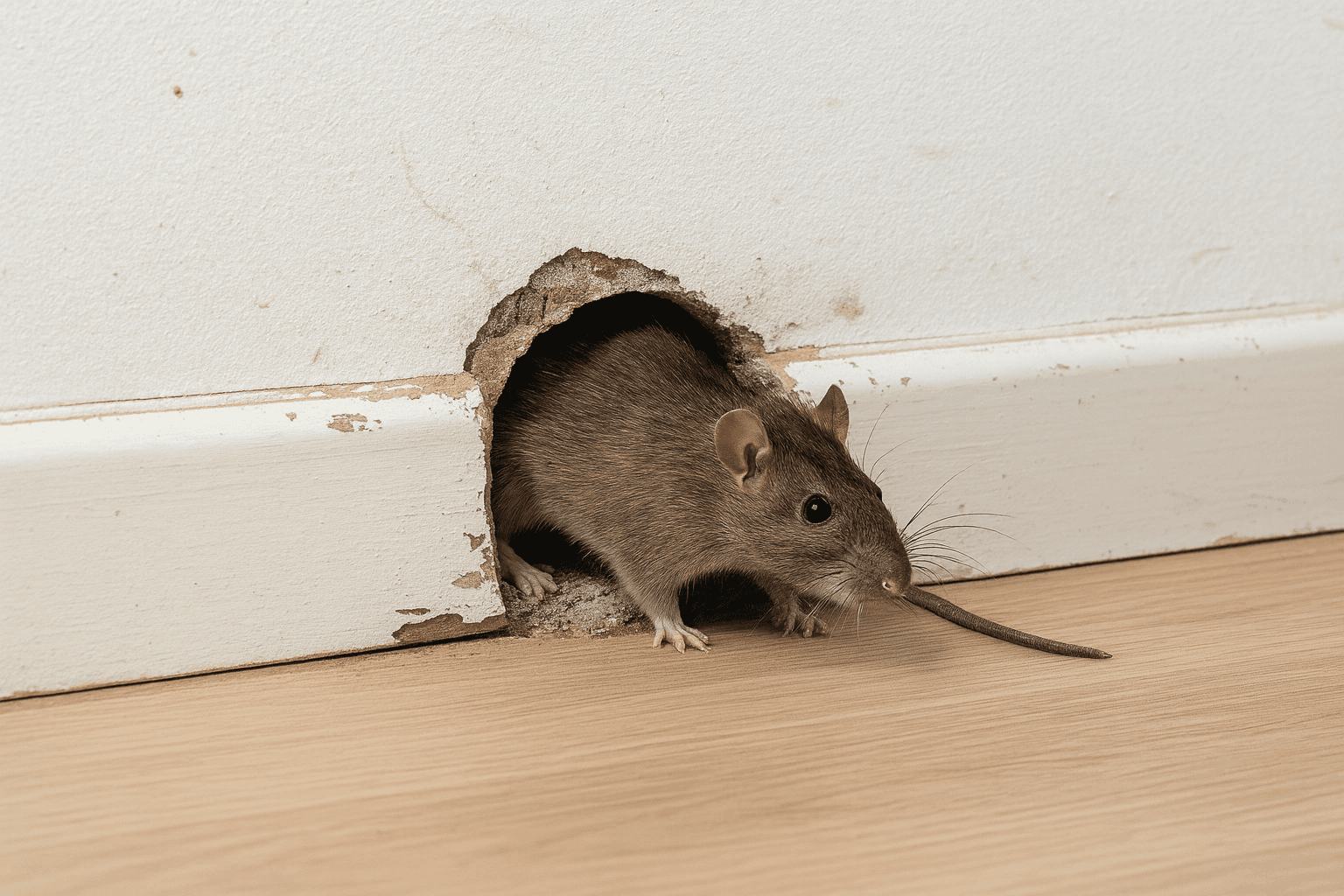
Pests and Infestations
Mice, rats, cockroaches, or other pests coming into your home and causing problems.
What your landlord must fix:
Infestations caused by holes, leaks, or disrepair
Problems that make your home unsafe or unfit to live in
What they may not fix:
Infestations due to food left out or poor hygiene
Pest issues where the property is otherwise in good condition

Structural Problems
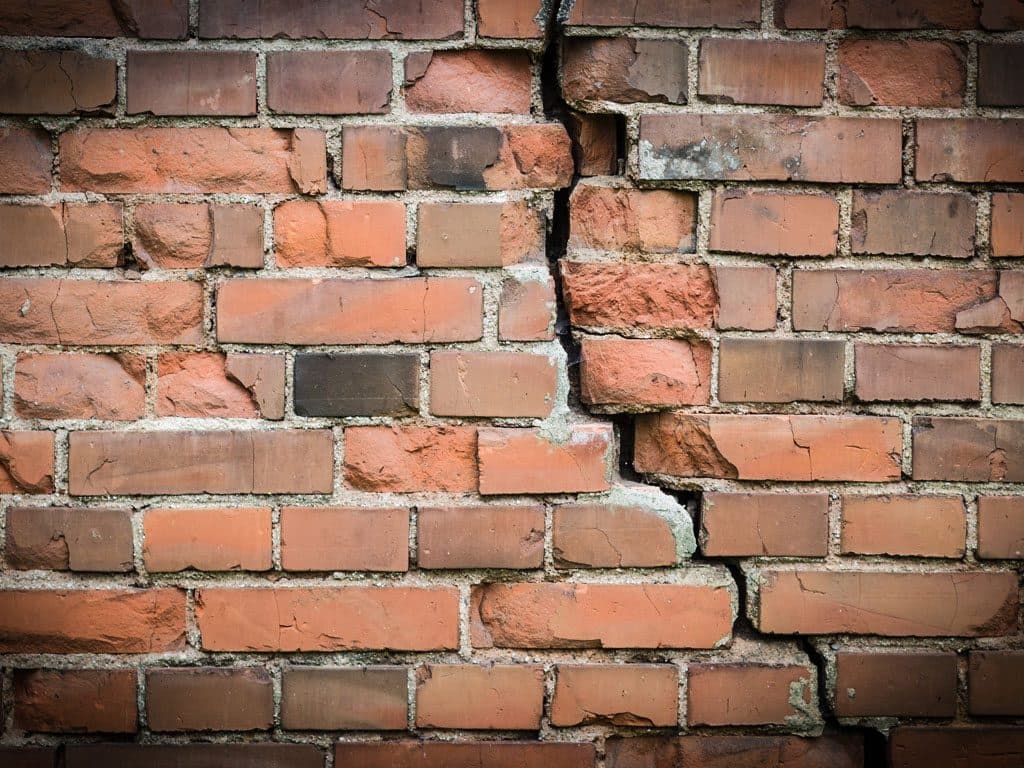
Cracks in walls, loose ceilings, wobbly stairs, or anything that makes your home unsafe or unstable.
What your landlord must fix:
Major cracks, damaged floors, unstable ceilings or staircases
Serious issues like subsidence (ground movement under your home)
What they may not fix:
Small cracks that don't cause a safety issue
Damage caused by DIY or tenant negligence
Not Sure? Report It Anyway.
Even if you're unsure whether your landlord is responsible, it's always best to report the problem in writing. Your landlord is required to investigate and respond.
Need Help?
If you're experiencing any of these issues and your landlord isn't responding, Council Repair Claims can help you understand your rights and connect you with a regulated solicitor (no-win, no-fee).