
Photos, written reports, medical records and losses: evidence that strengthens a housing disrepair claim, even if you have not kept records. This free guide for council and housing association tenants in England and Wales is published by Council Repair Claims, a regulated claims management company, not a law firm.
What evidence do you need for a housing disrepair claim?
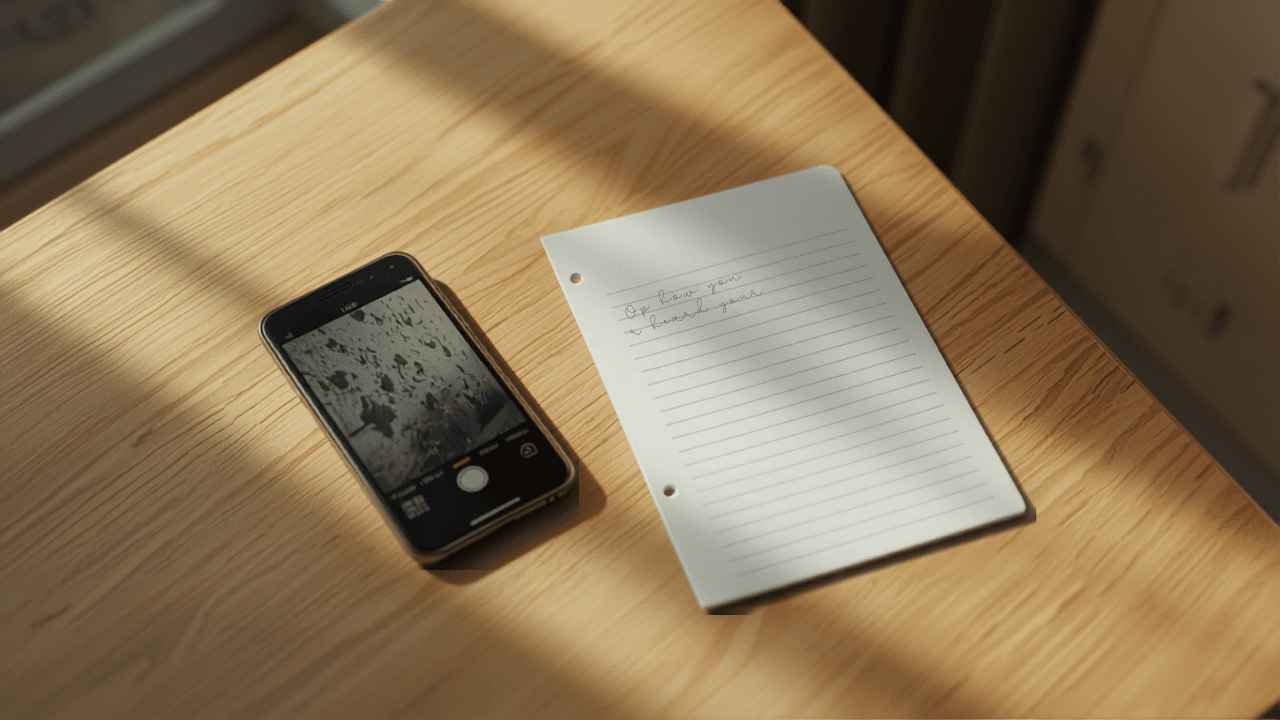
Key Points
- You do not need perfect records to make a claim. A solicitor can work with whatever you have, and some evidence will exist in records held by your landlord, your GP, or your local council
- The six most useful types of evidence are: photos and videos, written reports to your landlord, records of your landlord's response, medical evidence, proof of financial losses, and third-party reports such as Environmental Health inspections
- Written evidence of when you reported the problem is particularly important. It establishes when your landlord's legal obligation to act began
- Medical evidence, particularly a GP letter linking your health condition to your housing, can significantly increase the value of your claim
- Keep receipts for any extra costs caused by the disrepair, such as portable heaters, higher energy bills, or damaged belongings. These can be claimed on top of general compensation
- If you have only reported the problem verbally, put it in writing now. Even if the issue has been ongoing for a long time, a written report today creates a formal record going forward
- Start gathering and organising evidence as soon as possible. A case with some evidence is always stronger than a case with none
If your landlord has ignored a repair you reported in writing, it is worth finding out where you stand.
Our free eligibility check takes two minutes and carries no obligation to proceed.
The stronger your evidence, the stronger your case.
If your landlord has failed to fix problems in your home, you may be entitled to compensation and repairs. But how strong your case is - and what you may be able to claim - depends partly on the evidence you have.
This guide explains what evidence matters, why it matters, and what to do if you haven't kept detailed records.
Don't Worry If You Haven't Kept Everything
Many people come to us concerned that they haven't kept enough records. This is very common - most tenants don't expect to need to document a problem when they first report it.
The good news is that a solicitor can work with whatever you have. Some evidence will also exist outside your control - records held by your landlord, your council, your GP, or an environmental health officer.
The most important thing: Start gathering evidence now, even if you feel it is too late. A case with some evidence is always stronger than a case with none.
The Six Types of Evidence That Matter
Here is a breakdown of the evidence that is most useful in a housing disrepair claim.
1. Photos and Videos
Visual evidence of the disrepair itself is usually the most straightforward to gather - and one of the most powerful.
Aim to gather:
- Clear photos of every affected area - mould, damp patches, leaks, damaged walls, broken fittings, pest damage, structural issues
- Videos where movement or spread is visible (for example, a leak actively dripping, or mould covering a large wall)
- Photos taken from different angles and distances so the scale is clear
- A photo of the whole room alongside the close-up of the problem
- Dated photos - most smartphones record the date and time automatically
Why it matters: Photos are objective. They show what the problem looks like, how serious it is, and - if you have them over time - how long it has been ongoing and whether it has worsened. A series of dated photos is significantly more powerful than a single image.
2. Written Reports to Your Landlord
Your landlord is only legally required to carry out repairs once they have been told about the problem. Written evidence that you reported it - and when - is essential.
Aim to gather:
- Emails to your landlord, housing officer, or repairs team
- Text or WhatsApp messages reporting the problem
- Letters you sent, with proof of postage if possible
- Copies of any online repair reporting forms you submitted
- Any written acknowledgements or responses from your landlord
Why it matters: If your landlord claims they were never told about the problem, written evidence proves they were. The date of your first report also establishes when the "reasonable time" clock started - which directly affects whether your landlord is in breach of their legal duty.
Use our Step-by-Step Claims Checklist for guidance on how to track and record communication
3. Landlord Responses (or No Response)
What your landlord did - or did not do - after you reported the problem is as important as the report itself.
Aim to gather:
- Any written responses from your landlord to your repair requests
- Appointment letters or texts for repair visits
- Notes on what repairs were attempted, when, and by whom
- Evidence that repairs were done poorly or failed to fix the problem
- Records of broken or missed appointments
- Notes of phone calls - date, time, who you spoke to, and what was said
Why it matters: This evidence shows the timeline of events and demonstrates whether your landlord acted promptly or not. A landlord who visited but did nothing, or made a poor repair that failed, is still in breach of their duty.
4. Medical Evidence
If the disrepair has affected your health - or the health of anyone in your household, including children - medical evidence can significantly increase the value of your claim.
Aim to gather:
- GP records showing visits related to symptoms caused or worsened by the disrepair (for example, respiratory problems, skin conditions, anxiety, or disturbed sleep)
- A letter from your GP linking your health condition to your housing conditions - your solicitor can help you request this
- Hospital or clinic letters if your condition required further treatment
- Prescriptions for medication related to your condition
- Records of health visitor or social worker visits if relevant
Why it matters: Health impact is one of the main factors that determines compensation. A claim that includes documented health effects - particularly conditions like asthma, chest infections, or anxiety caused by damp and mould - is worth considerably more than one based on inconvenience alone.
5. Financial Loss Evidence
If the disrepair has cost you money directly, you may be able to claim for that loss as well.
Aim to gather:
- Receipts for belongings damaged or destroyed by the disrepair (for example, clothing, bedding, furniture, or electricals affected by mould or leaks)
- Records of extra costs you have incurred - higher energy bills from a heating fault, temporary heaters you had to buy, or storage costs if belongings had to be moved
- Photographic evidence of damaged belongings alongside receipts or proof of purchase
- Any insurance claim records if you made a claim for damaged items
Why it matters: Financial losses can be claimed in addition to general inconvenience compensation. The more clearly you can document what you lost and its value, the easier it is for a solicitor to include this in your claim.
6. Third-Party Reports
Evidence that comes from an independent or official source often carries significant weight.
Aim to gather:
- Reports from your local council's Environmental Health team if they inspected your property
- Improvement notices or other enforcement action taken against your landlord
- Reports from a housing surveyor or inspector
- Letters or reports from health visitors, social workers, or other professionals who visited your home
- Written statements from neighbours who can confirm they witnessed the same conditions or reported similar issues
Why it matters: Independent verification of the disrepair - particularly from a council officer or surveyor - removes any doubt about whether the problem exists or is serious. If Environmental Health has already been involved, this is very strong supporting evidence.
How to Organise What You Have
- Keep all photos in a dedicated folder on your phone, labelled by date
- Save copies of all emails and letters in one place - even a simple email folder marked "housing repairs"
- Keep a short running note (even in your phone's notes app) of dates, conversations, and what happened
- Keep any physical letters in one envelope or folder
When you contact a solicitor, they will ask you to share what you have. The more organised it is, the quicker the process.
What If I Haven't Reported the Problem in Writing Yet?
If you have only reported the problem verbally - by phone or in person - and have not yet put anything in writing, do it now. Even if the problem has been going on for a long time, a written report today creates a formal record going forward.
What to include in your written report:
- A clear description of the problem and where it is in your home
- The date you first noticed it
- A mention of any previous reports you made verbally
- How it is affecting you - your health, daily life, or belongings
- A clear request for repairs to be carried out
- Keep a copy of whatever you send
Ready to Take the Next Step?
Once you have a sense of what evidence you have, our Step-by-Step Claims Checklist walks you through what happens next.
Or if you are ready to find out whether you have a valid claim, contact us directly. There is no cost and no obligation.
If your landlord has ignored a repair you reported in writing, it is worth finding out where you stand.
Our free eligibility check takes two minutes and carries no obligation to proceed.
Related guides

Step-by-Step Housing Disrepair Claims Checklist
3 min read
A practical housing disrepair claims checklist for council tenants: report the problem in writing, gather evidence, and understand next steps.
Read guide
Housing disrepair compensation
5 min read
How housing disrepair compensation is calculated for council tenants: general and special damages, what strengthens a claim, and what to expect.
Read guide
Types of housing disrepair
6 min read
A plain-English guide to common housing disrepair: damp, mould, leaks, heating, electrics, pests, and structural problems your landlord must fix.
Read guideNeed Help?
Council Repair Claims can help you understand your rights and connect you with a regulated solicitor. Don't worry if you haven't kept perfect records - a solicitor can help you work with what you have.
Contact us on 03330 111104 or email info@councilrepairclaims.co.uk
This article is for general information only and does not constitute legal advice.