
What is a Housing Disrepair Claim?
If you're renting your home from the council or a housing association, they have a legal duty to keep your home safe, clean, and in good condition.
When your landlord doesn't fix problems like mould, leaks, broken heating, or unsafe electrics — even after you've reported them — this is called housing disrepair.
A housing disrepair claim is when you ask your landlord to make repairs and, in some cases, pay you compensation for the impact the disrepair has had on your health, safety, or daily life.
Repairs to your home
Financial compensation
Health & wellbeing support
You have the right to live in a safe and well-maintained home. If your landlord hasn't taken action after you've told them about problems, you may be able to claim compensation.
Frequently Asked Questions
Yes. If you live in a council or housing association property and your landlord hasn't carried out repairs after you've reported a problem, you may be able to make a disrepair claim. This includes things like damp, mould, leaks, or broken heating.
Compensation depends on how serious the problem is, how long it's been going on, and how it's affected your health or daily life. In many cases, compensation is based on a percentage of your rent (usually between 25% and 50%), plus any damage to belongings or health issues caused by the disrepair. The solicitor handling your case will explain this clearly.
Yes. If damp or mould has damaged your home, belongings, or health, and your landlord hasn't fixed the issue, you may be entitled to compensation. It's important to have reported the problem to your landlord first and to keep any proof of this.
Not at all. You can make a complaint directly to your landlord, go to the Housing Ombudsman, or contact a solicitor on your own. Our role is simply to connect you with a trusted solicitor who can support you. You're under no pressure to proceed unless you feel comfortable.
No. The solicitors we work with operate on a no-win, no-fee basis. That means you won't pay anything unless your claim is successful. The solicitor will explain any fees clearly before you decide whether to go ahead.
Learn moreIt is illegal for your landlord to evict you just because you've made a housing disrepair claim. If you pay your rent and follow the terms of your tenancy, your landlord cannot remove you for exercising your rights. If you're worried, let the solicitor know — they can advise and support you.
Learn moreIf your case doesn't meet the legal criteria, or there isn't enough evidence, the solicitor may not be able to proceed. If your case goes ahead but isn't successful, you won't have to pay anything. You're always welcome to ask questions or seek advice at any stage.
Common issues include: Damp and mould, Water leaks or flooding, No heating or hot water, Dangerous electrics, Pest infestations, Cracked walls or broken windows, Damage to belongings caused by disrepair. If you're unsure whether your issue counts, just ask, we're here to help.
Learn moreIt depends on the complexity of the case and how your landlord responds. Some straightforward claims can be resolved in a few months, especially if the landlord agrees to carry out repairs quickly. Others, particularly those involving health issues or large amounts of damage, may take longer. The solicitor handling your case will keep you updated and let you know what to expect at each stage.
You don't need to prepare much, but a few simple steps can really help your case: Report the issue to your landlord (if you haven't already), Take photos of the problem areas (mould, leaks, broken fixtures, etc.), Keep copies of any emails, texts, or letters you've sent or received, Write down how the problem is affecting your daily life, health, or belongings. Once you get in touch with us, we'll help guide you through the rest.
Learn moreCommon Types of Disrepair
If you've been reporting problems in your home and nothing's been done, you're not alone. Many council and housing association tenants live with issues that should have been fixed.
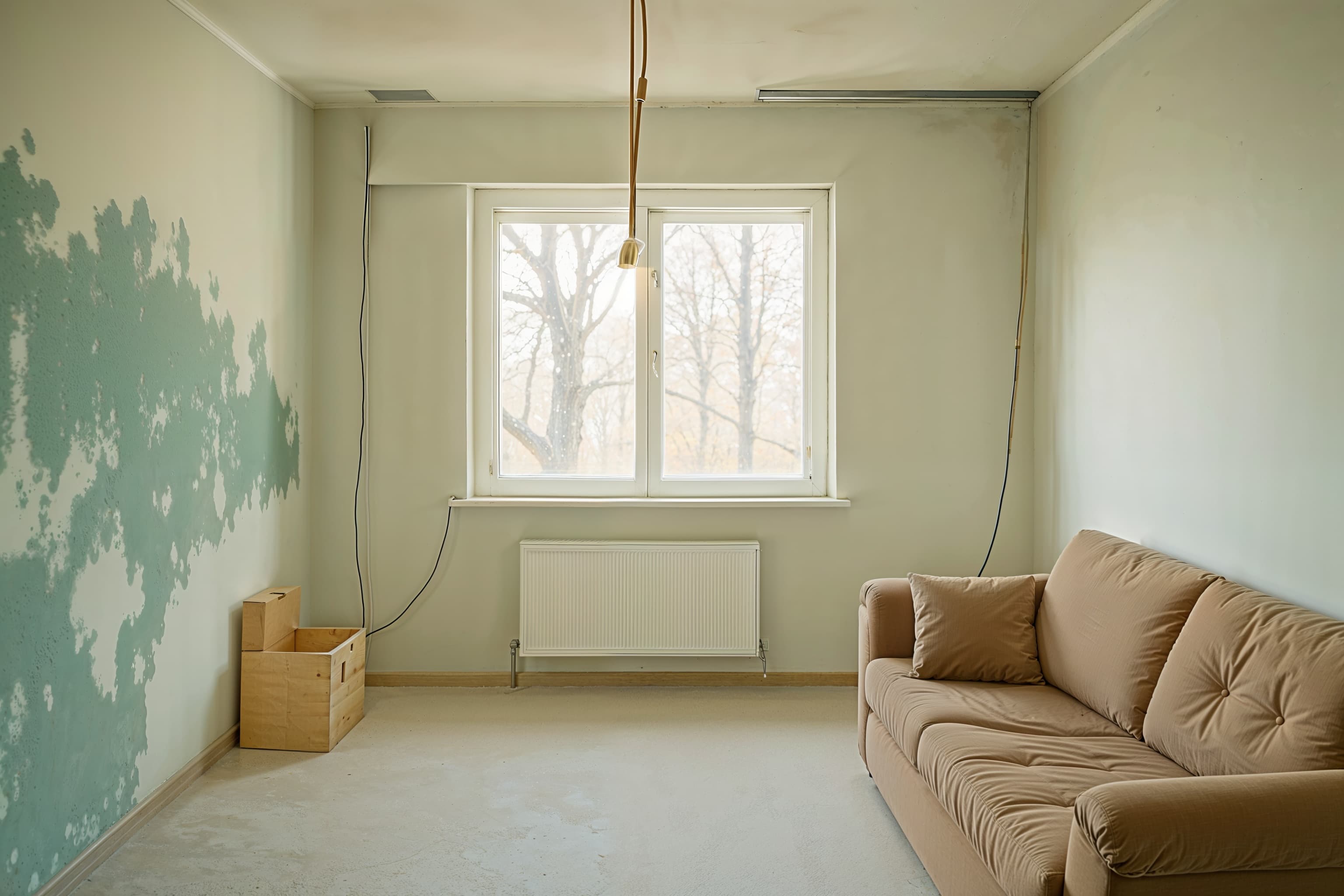
Here are some of the most common types of disrepair you can claim for:
Damp and Mould
Musty smells, black patches on walls or ceilings, or condensation that never goes away, damp and mould can affect your health, especially if you have asthma or other breathing issues.
Leaks and Water Damage
Leaks from pipes, roofs, windows or bathrooms that leave stains, peeling paint, or wet patches on walls and ceilings.
Heating and Hot Water Problems
No central heating, broken boilers, or no access to hot water, especially in winter, is a serious issue that your landlord should fix.
Faulty Electrics
Loose wires, broken sockets, flickering lights, or any electrics that don't feel safe need urgent attention.
Broken Windows, Doors or Locks
Windows that won't close properly, broken doors, or faulty locks can affect your security and peace of mind.
Pests and Infestations
Ongoing issues with rats, mice, cockroaches, or other pests due to poor property conditions.
Structural Problems
Cracked walls, ceilings that are falling in, unstable staircases, these are more than just cosmetic issues and can be dangerous.
We're Here to Help
Don't suffer in silence. If you're experiencing any of these problems, you may be entitled to compensation and repairs. Our team of specialists is here to guide you through every step.
You are not required to use our services to make a claim but you can complain directly to your landlord or to the Housing Ombudsman for free.
If you use our service, your case will be assessed and, if appropriate, referred to a regulated solicitor. We will receive a fee for this introduction.
No-win, no-fee terms apply. Other costs may apply if you cancel after the cooling-off period or fail to cooperate with your solicitor.
Who Can Make a Claim?

You may be able to make a housing disrepair claim if:
You rent your home from a council or housing association (this is called a social landlord)
You've reported the problem to your landlord, and they've had a fair chance to fix it
The disrepair has affected your health, safety, or quality of life
The problems are ongoing, or repairs were done too late and caused damage or inconvenience
You don't need to be a legal expert or speak perfect English to make a claim. If you've done your part and your landlord hasn't — we're here to help.
You CAN still claim if:
You're receiving benefits or Universal Credit
You're not sure who exactly owns your home — we can help check
You're worried about the cost — remember, it's no-win, no-fee
You may NOT be able to claim if:
You own your home (even part of it, like shared ownership)
You rent from a private landlord (not council or housing association)
You haven't reported the problem to your landlord yet
Your Rights Are Protected by Law
As a council or housing association tenant, your landlord's duty to repair your home is not just good practice - it is a legal obligation. The summaries below cover long-standing duties (Landlord and Tenant Act 1985 and Homes Act 2018) and newer, time-bound requirements under Awaab's Law.
Landlord and Tenant Act 1985 (Section 11)
This law requires your landlord to keep the structure of your home in good repair throughout your tenancy. That includes the roof, walls, windows, doors, heating systems, hot water, and plumbing. They cannot opt out of this - it applies regardless of what your tenancy agreement says.
Read our full guide: The Landlord and Tenant Act 1985 - What It Means for You
Homes (Fitness for Human Habitation) Act 2018
This law goes further. It requires your landlord to make sure your home is fit to live in - from the day you move in and throughout your tenancy. If serious problems like damp, mould, or structural damage make your home unsafe or unhealthy, your landlord is in breach of this law.
Read our full guide: The Homes (Fitness for Human Habitation) Act 2018 - What It Means for You
Awaab's Law (from October 2025)
For council and housing association tenants in England, new regulations add strict deadlines for your landlord to investigate and fix damp, mould, and emergency hazards — with requirements that strengthen year by year through 2027.
Read our guide: Awaab's Law — What It Means for Council and Housing Association Tenants
Important
These laws apply automatically to your tenancy - you do not need to have them written into your tenancy agreement, and your landlord cannot remove them.
Why us?

No Win, No Fee Always
You won't pay anything upfront. If your claim isn't successful, you won't owe a penny. Everything is explained clearly before you decide.

Trusted, Regulated Legal Partners
We only work with solicitors regulated by the Solicitors Regulation Authority (SRA). You'll never be passed to unqualified or pushy salespeople.

Clear, Supportive Advice
We explain your rights in plain English, no jargon, no pressure. You stay in control of your claim at every step.

We Understand the Stress You're Under
Living with poor housing is tough, we get it. We're here to make things easier, not harder. Our team listens first, then acts.
How the Process Works
We know it can be stressful living in poor housing conditions, and even more stressful trying to fix it. That's why we've made the process simple and supportive from the start.
You Get in Touch
Share a few details with us about your housing situation. You can fill out our quick form or reach out in the way that's easiest for you.
Your Case is Reviewed
Once we've received your information, it will be carefully reviewed to see if your case meets the criteria for a potential housing disrepair claim.
You're Connected with a Specialist Firm
If your case is suitable, it will be passed on to one of our trusted legal partners, firms who deal with housing disrepair claims every day. They'll handle your case from here and explain exactly what happens next.
The Legal Process Begins
The solicitor will gather the evidence, speak to your landlord, and work to get the repairs done and compensation arranged. Most cases are sorted without going to court.
No Win, No Fee
You won't pay anything unless the claim is successful. Your solicitor will explain this clearly before you sign anything.
"We only work with regulated and experienced firms who specialise in this area, so you can feel confident you're in good hands."
What Happens After Your Claim?
Once your case has been reviewed and passed to a specialist solicitor, there are a few different outcomes depending on the evidence and how your landlord responds.
If Your Claim Is Successful
Most housing disrepair claims end with either:
Repairs
Your landlord agrees to carry out the necessary repairs. This might include fixing leaks, removing mould, repairing heating, or solving structural problems. In some cases, you may also be temporarily rehoused while the work is done.
Compensation
You may receive compensation for:
- • The inconvenience of living in poor conditions
- • Damage to personal belongings (e.g. clothes, furniture, electricals)
- • Impact on your health — including personal injury compensation if you've suffered physical or mental health issues due to the disrepair (e.g. breathing problems from mould, anxiety from unsafe conditions)
Compensation amounts vary depending on how serious the issues are and how long you've lived with them.
- • Lower-value claims (under £1,000–£3,000) might cover inconvenience and minor damage
- • Higher-value claims (above £3,000 and sometimes over £10,000) could apply where there's significant long-term disrepair, serious health effects, or property damage
Your solicitor will explain clearly what you may be entitled to, and make sure you're treated fairly.
If Your Claim Is Not Successful
Not all claims result in compensation. Sometimes there may not be enough evidence, or the disrepair may not be serious enough in the eyes of the law.
If that happens:
You won't be charged anything, provided you co-operate fully with your solicitor and act honestly throughout - the claim is handled on a no-win, no-fee basis.
You may still have gained clarity on your rights and next steps
Your solicitor can advise if anything further can be done
We understand how disappointing this can be, but we'll always treat your case with care, dignity, and honesty throughout.
Do I Have to Use This Service to make a claim?
No — you are not required to use our service to make a housing disrepair claim.
Every tenant has the legal right to take action against their landlord if their home is in disrepair and their complaints have been ignored. You can:
Make a Complaint Directly
You can write to your landlord (usually the council or housing association) and request repairs again. Be sure to keep records of all communication, photos, and any damage caused by the disrepair.
Contact the Housing Ombudsman
If your landlord doesn't respond or you're unhappy with the outcome, you can escalate your complaint to the Housing Ombudsman Service. This is a free and independent service for social housing tenants.
Get Legal Help Independently
You can also find a solicitor on your own. Look for law firms that specialise in housing disrepair and offer no-win, no-fee agreements. Many offer free consultations.
Want every option explained in one place — including timelines, costs, and when each route works best? Read our full guide: Making a Housing Disrepair Claim — Your Options Explained.
Why Use Our Service?
We aim to take the stress and uncertainty out of the process by:
Connecting you with trusted legal firms who handle disrepair claims every day
Taking care of the early admin so you don't have to explain your story over and over
Only working with firms that operate no-win, no-fee and are regulated by the Solicitors Regulation Authority (SRA)
There's no pressure and no cost to speak with us; the decision is always yours.
Ready to Check If You Have a Valid Claim?
It takes just a few minutes and costs nothing to find out. No pressure, no upfront fees — just honest advice about your rights.
Remember: You are not required to use a claims management company, and by using a claims management company it does not mean your claim will be dealt with quicker or that you will receive a better service. You can submit complaints directly to the responsible party and refer successful claims to the financial ombudsman service yourself for free.