
No heating or hot water in a council or housing association home? Your rights under Section 11 and Awaab's Law, deadlines, and compensation. This free guide for council and housing association tenants in England is published by Council Repair Claims, a regulated claims management company, not a law firm.
Heating complaints in social housing
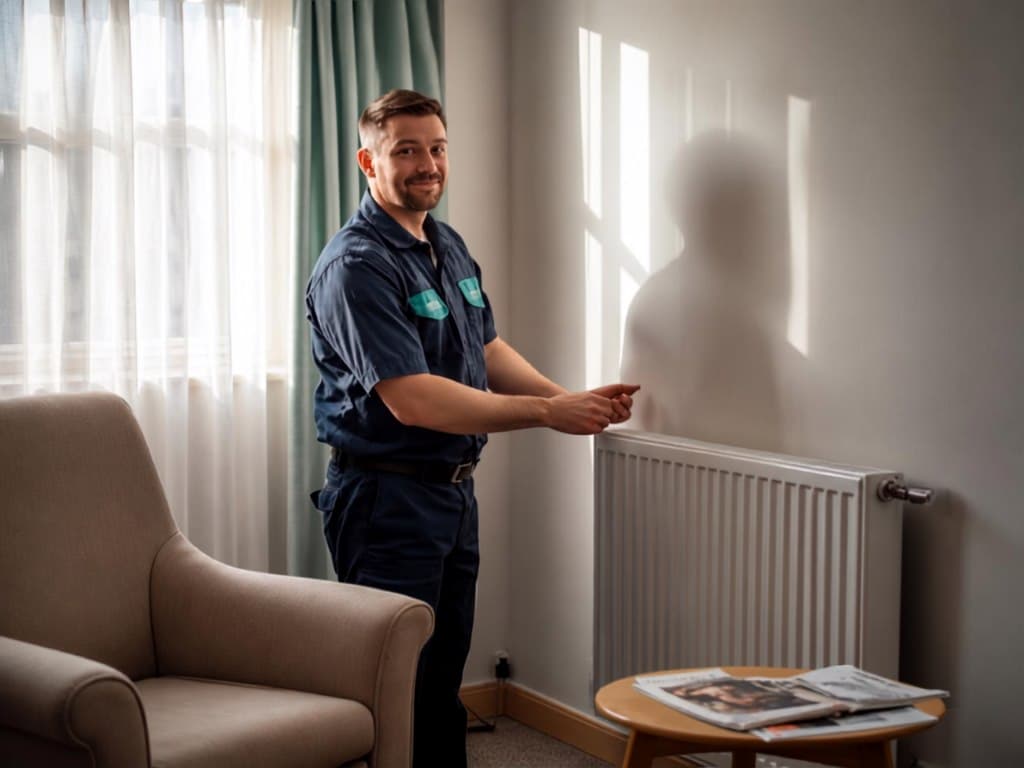
Key Points
- Your landlord is legally required to keep your heating system, boiler, and hot water in good working order throughout your tenancy. This is a legal duty, not a choice
- Since October 2025, no heating or hot water is treated as an emergency hazard under Awaab's Law in most circumstances. Your landlord has 24 hours to investigate and begin repairs
- If your household includes a baby, young child, elderly person, or someone with a health condition such as asthma, you have stronger grounds for emergency treatment
- If your landlord cannot complete repairs within the required timeframes, they must arrange and fund alternative accommodation for you
- You may be able to claim for extra costs incurred as a result of the failure, including portable heaters, higher energy bills, and medical costs, on top of any general compensation
- The "lifestyle" excuse does not apply to heating failures. If the fault is in the system or boiler, it is your landlord's responsibility regardless of how they frame it
- Report the problem in writing immediately. Your landlord's legal clock starts from the moment they are notified
Think this applies to your situation?
A free two-minute check will tell you whether you may have a valid claim.
No heating or hot water is not something you have to put up with. The law is on your side.
A broken boiler, cold radiators, or no hot water are among the most common complaints made by council and housing association tenants , and among the most serious. Your landlord has a clear legal duty to keep your heating and hot water systems in working order. If they have failed to do so after being told about the problem, you may be entitled to repairs and compensation.
This guide explains exactly what your rights are and what steps to take.
If you live in Wales
The information in this guide applies to council and housing association tenants in England. If you rent in Wales, different laws apply and different bodies handle complaints. See our full guide: Housing Disrepair in Wales — Your Rights and How the System Works
Is Your Landlord Responsible for Your Heating?
Yes, unambiguously. Under Section 11 of the Landlord and Tenant Act 1985, your landlord is legally required to keep your heating and hot water installations in good repair and working order throughout your tenancy. This is not discretionary, it is a legal duty that applies regardless of what your tenancy agreement says.
Your landlord is responsible for:
- The boiler and its components
- Radiators and the pipework connecting them
- Hot water tanks and cylinders
- The gas supply to your heating system
- Storage heaters or communal heating systems provided as part of your tenancy
Your landlord is not responsible for appliances you installed yourself, or for minor maintenance tasks such as bleeding radiators , though if repeated bleeding is needed because of a fault in the system, that fault itself is your landlord's responsibility.
For a full explanation of the legal duty to repair, see our guide: The Landlord and Tenant Act 1985: What It Means for You
What Timeframes Does Your Landlord Have to Work To?
Since October 2025, Awaab's Law has introduced strict legal deadlines for social landlords to respond to hazards in tenants' homes. No heating or hot water will qualify as an emergency hazard in most circumstances, particularly in cold weather, or where there are vulnerable people in the household.
| Situation | What your landlord must do | Legal deadline |
|---|---|---|
| No heating or hot water, emergency hazard | Investigate and begin repairs | Within 24 hours |
| Heating fault, significant but not an immediate emergency | Carry out an investigation | Within 10 working days |
| After any investigation | Provide you with written findings | Within 3 working days |
| After confirming a significant hazard | Begin repairs or arrange alternative accommodation | Within 5 working days |
These deadlines apply under Awaab's Law, which is in force in England only. If you rent in Wales, your landlord's duty is to act within a reasonable time — there are no equivalent fixed statutory deadlines yet. See our Housing Disrepair in Wales guide.
These are legal deadlines, not targets or guidelines. The clock starts from the moment your landlord becomes aware of the problem, which is why reporting in writing and keeping a record of the date is so important.
What if repairs cannot be completed in time?
If your landlord cannot carry out the necessary repairs within the required timeframes, they are legally required to arrange and fund suitable alternative accommodation for you and your household until the property is safe.
For a full explanation of Awaab's Law and how it protects you: Awaab's Law: What It Means for Council and Housing Association Tenants
Does the Time of Year Make a Difference?
Yes, and in a meaningful legal sense. A heating failure in January is treated very differently from the same fault in June. Courts and the Housing Ombudsman consistently take a more serious view of heating failures during cold months, and the presence of vulnerable people in the household makes emergency treatment more likely.
Factors that strengthen your position include:
- The failure occurring during autumn or winter
- Young children, elderly people, or anyone with a respiratory condition or serious health problem living in the property
- The failure continuing for more than a few days without adequate action
- Your landlord providing no temporary heating solution while repairs are arranged
From 2026, "excess cold" as a hazard category will be brought within the scope of Awaab's Law under Phase 2, extending fixed legal repair deadlines to all significant heating failures regardless of season. This makes it even more important for landlords to act promptly year-round.
For guidance on seasonal housing problems more broadly: Seasonal Housing Issues: What Your Landlord Must Fix
Common Heating Problems, Is It Your Landlord's Responsibility?
| Problem | Your landlord's responsibility? |
|---|---|
| Boiler broken, condemned, or beyond repair | Yes |
| Radiators not heating properly | Yes |
| No hot water from taps | Yes |
| Communal heating system failing | Yes |
| Thermostat or timer fault | Yes |
| Pipework leaking or damaged | Yes |
| Bleeding individual radiators | Usually the tenant's responsibility |
| Appliances the tenant installed | No |
If you are unsure whether your specific problem falls under your landlord's duty, report it in writing anyway. Your landlord is required to investigate, and if there is an underlying system fault, that is almost always their responsibility.
What to Do When You Report a Heating Problem
How you report the problem matters. A written report with a clear date creates the legal record from which all timeframes run. A verbal report, even if your landlord acknowledges it, is much harder to prove.
When reporting a heating problem in writing:
- State clearly what the problem is and when it started
- Mention any previous reports you have made verbally or in writing
- Note who is in the household, particularly anyone who is elderly, very young, or has a health condition
- State how the problem is affecting you, cold rooms, no hot water for washing, health impact
- Request repairs within a specific timeframe and ask for written confirmation of when they will take place
- Keep a copy of everything you send
For a full guide to gathering and organising your evidence: What Evidence Do You Need for a Housing Disrepair Claim?
Can I Claim for Extra Costs?
Yes, and this is something many tenants are not aware of. If your heating has failed and you have incurred costs as a direct result, those costs can be claimed on top of any general compensation for the disrepair itself.
Costs that can be claimed include:
- Electric or portable heaters you had to buy or hire
- Higher energy bills caused by using alternative heating
- Hotel or temporary accommodation costs if your home became unliveable
- Medical costs directly caused by the cold conditions
Keep receipts for everything from the moment the problem starts. Even if you are not sure you will make a claim, having the records costs you nothing and protects your position.
Can I Claim Compensation?
If your landlord has failed to carry out repairs they were legally required to do, and this has affected your health, your belongings, or your ability to use your home normally, you may be entitled to compensation as well as having the repairs carried out.
Compensation for heating disrepair takes into account how long the problem lasted, how serious it was, the time of year, and whether your health was affected. A heating failure that runs through winter, or one that causes or worsens a health condition, is treated more seriously than a brief fault in warmer months.
For a dedicated guide to how compensation is calculated across all types of housing disrepair: Housing Disrepair Compensation: How It Works and What Affects It. Our free assessment will give you an honest picture of whether your situation is likely to support a claim.
What If My Landlord Says It Is My Fault?
Some landlords respond to heating complaints by suggesting the tenant has caused the fault, through misuse of the boiler, failure to bleed radiators, or incorrect thermostat settings. This is sometimes raised as a reason to delay or avoid carrying out repairs.
In most cases involving a council or housing association property, the cause of a heating system failure is structural or mechanical , not tenant behaviour. If the boiler is old, poorly maintained, or has a recurring fault, that is a landlord responsibility under the Landlord and Tenant Act 1985 and the Homes (Fitness for Human Habitation) Act 2018.
If your landlord is making this argument, report the problem in writing regardless and let a solicitor assess the position. The burden of showing that a fault was caused by tenant behaviour lies with the landlord, it is not for you to disprove it.
The Homes (Fitness for Human Habitation) Act 2018: What It Means for You
Your Next Steps
- Report the problem in writing today if you have not already done so, email, text, or letter, with a clear date
- State who is in the household and note any health conditions or vulnerabilities
- Count the working days , your landlord's legal clock starts from the moment they receive your report
- Document everything , photos, written reports, responses, costs incurred
- If your landlord misses the deadlines record that clearly and seek advice
- Contact Council Repair Claims for a free, no-obligation assessment of your situation
Not sure what to expect from the claims process? Our checklist walks you through it: Step-by-Step Claims Checklist
Think this applies to your situation?
A free two-minute check will tell you whether you may have a valid claim.
Related guides
Types of housing disrepair
6 min read
A plain-English guide to common housing disrepair: damp, mould, leaks, heating, electrics, pests, and structural problems your landlord must fix.
Read guide
Awaab's Law
6 min read
From October 2025, social landlords in England must investigate damp, mould, and emergencies within strict legal deadlines under Awaab's Law.
Read guide
Landlord responsibilities
6 min read
What your council or housing association landlord must legally repair, how quickly they must act, and what to do if they ignore your reports.
Read guideNeed Help?
Council Repair Claims can help you understand whether your landlord has breached their legal duties and connect you with a regulated solicitor.
You are not required to use our service. You can also complain directly to your landlord or contact the Housing Ombudsman for free.
Contact us on 03330 111104 or email info@councilrepairclaims.co.uk
This article is for general information only and does not constitute legal advice.
Content correct as of Aug 2026.