
The UK's right to repair scheme covers household appliances, not housing repairs. See what your landlord must fix. This free guide for council and housing association tenants in England and Wales is published by Council Repair Claims, a regulated claims management company, not a law firm.
Right to Repair Scheme UK: A Tenant's Guide
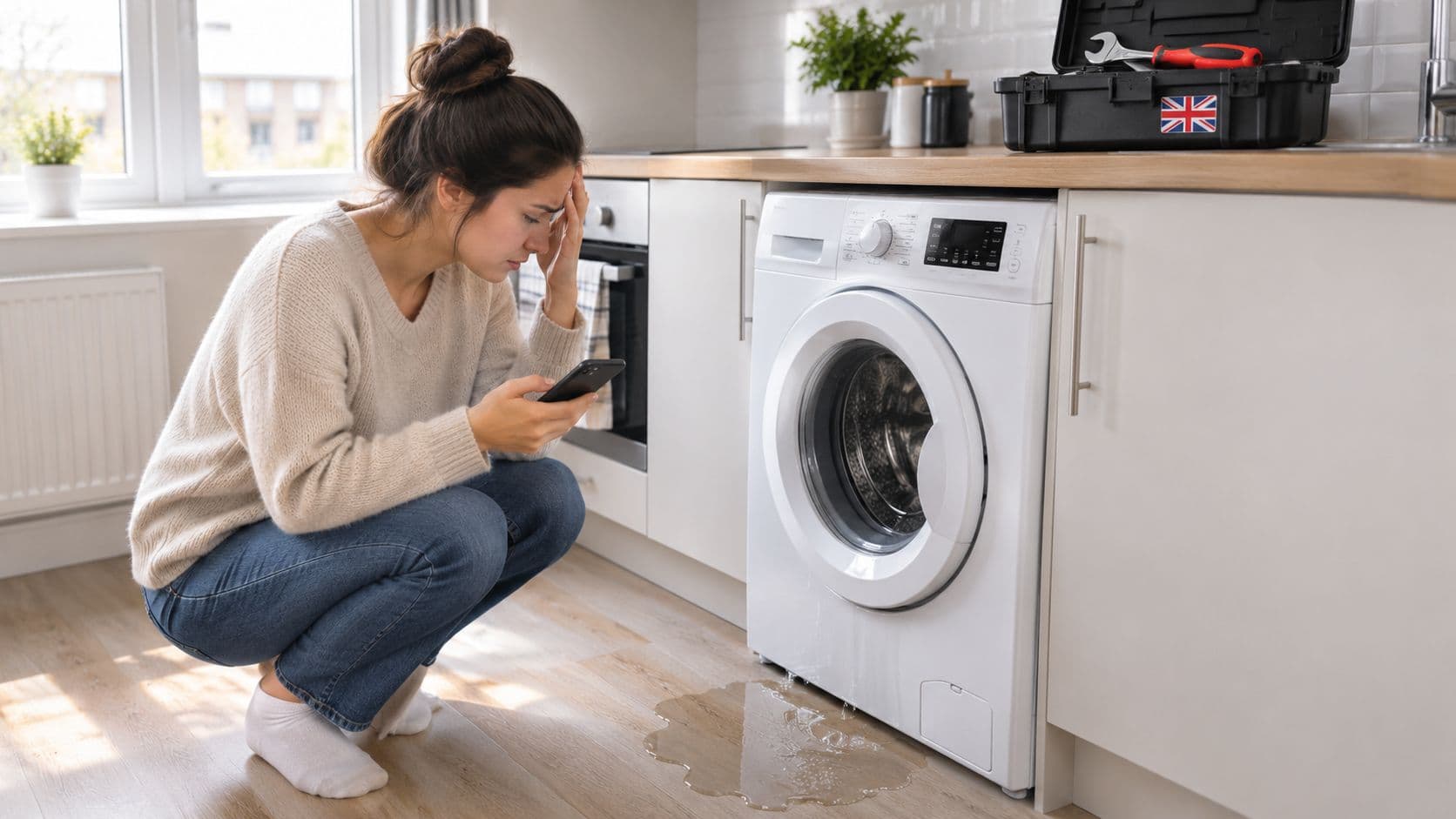
If you have searched for the right to repair scheme UK, you may have been expecting guidance on getting your council or housing association to fix your home.
The scheme that phrase usually refers to is actually about household appliances, not housing repairs. These are two separate things, and knowing the difference helps you take the right action.
Key Points
- The UK's right to repair scheme covers selected household appliances such as washing machines and refrigerators. It is not a general right requiring your council or housing association to repair your home
- Housing repairs are governed separately by the Landlord and Tenant Act 1985 and the Homes (Fitness for Human Habitation) Act 2018
- Your landlord must repair structural defects, heating, hot water, drainage, gas, electrical installations and sanitation. These duties exist regardless of what your tenancy agreement says
- Before any housing disrepair claim can proceed, your landlord must have been notified of the problem. Written notice is strongly recommended, though verbal notification can be sufficient in some circumstances
- Free complaint routes through the Housing Ombudsman (England) or Public Services Ombudsman for Wales are available before considering legal action
- England and Wales have different housing frameworks. Welsh tenants should not assume that England-specific guidance applies to them
Is your landlord ignoring repairs?
There is no charge for our assessment, and no obligation to continue. If you choose to go ahead, the solicitor will explain their own terms and any charges before you agree.
What "Right to Repair" Actually Means
The phrase "right to repair" covers two very different things, and it is easy to confuse them.
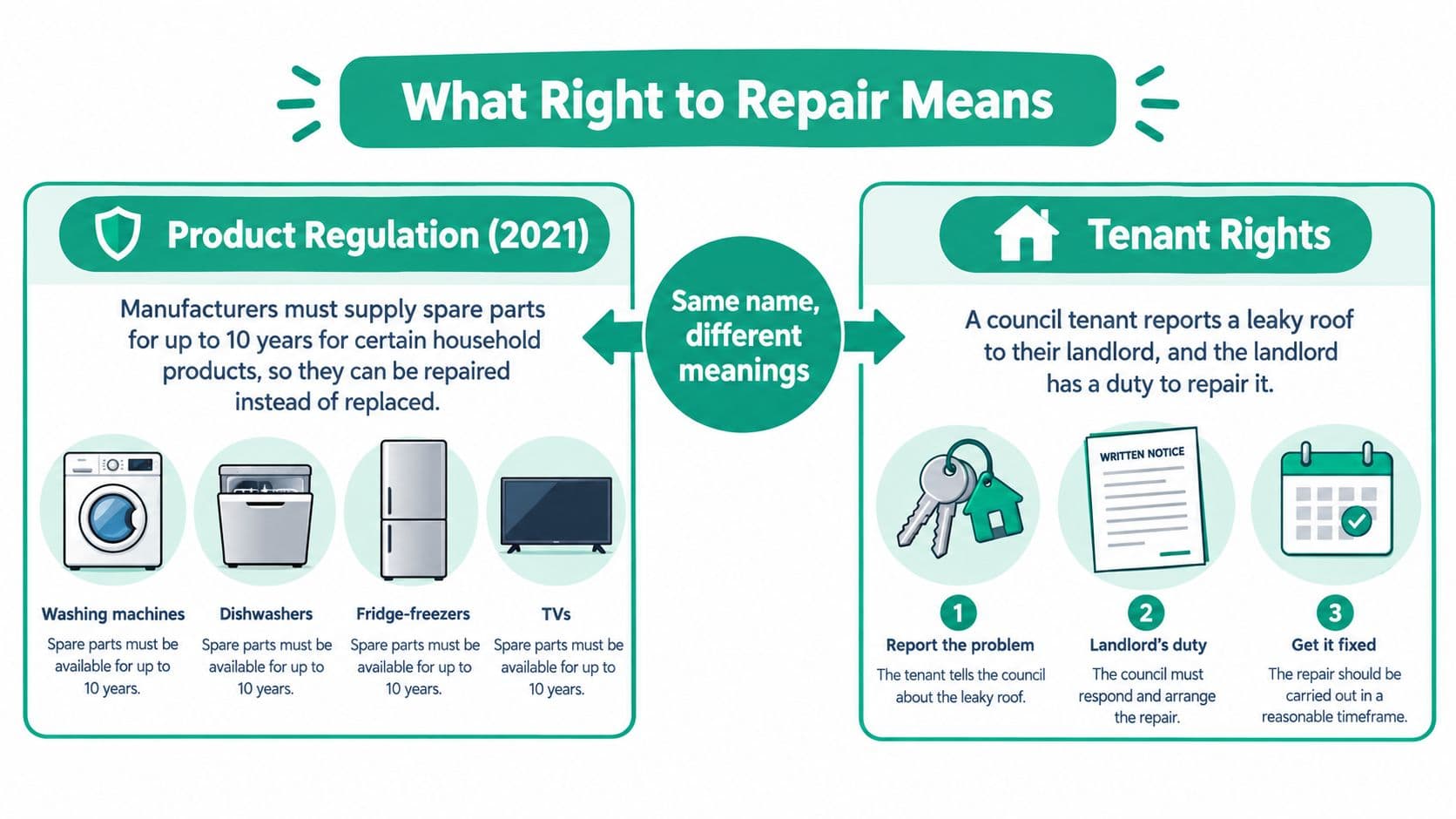
The product right to repair scheme, created by the Ecodesign for Energy-Related Products and Energy Information Regulations 2021 (SI 2021 No. 745), requires manufacturers to keep spare parts available and to provide repair information for covered appliances. It is about whether a product can be repaired, not whether someone else must pay for that repair or arrange it. The House of Commons Library briefing on the Right to Repair Regulations summarises those rules.
Your housing repair rights are entirely separate. Under the Landlord and Tenant Act 1985 and the Homes (Fitness for Human Habitation) Act 2018, your council or housing association has legal obligations to keep your home in proper repair. These duties exist independently of the appliance scheme. See landlord responsibilities: what they must fix.
Think of it this way. The product scheme keeps a repair workshop supplied with parts and technical information. Housing law concerns who must deal with defects in your rented home. Access to a washing machine motor part does not establish who must arrange or pay for its installation.
Practical rule: If your problem is a leaking roof, failed heating or unsafe electrics, that is a housing repair matter. You do not need to investigate appliance regulations before reporting a building defect.
What the Appliance Scheme Covers
The scheme covers selected washing machines, washer-dryers, dishwashers, refrigerating appliances, electronic displays and certain lighting products. It is not a universal repair entitlement for every electrical item in your home. Smartphones, tablets and laptops are generally outside the initial rules.
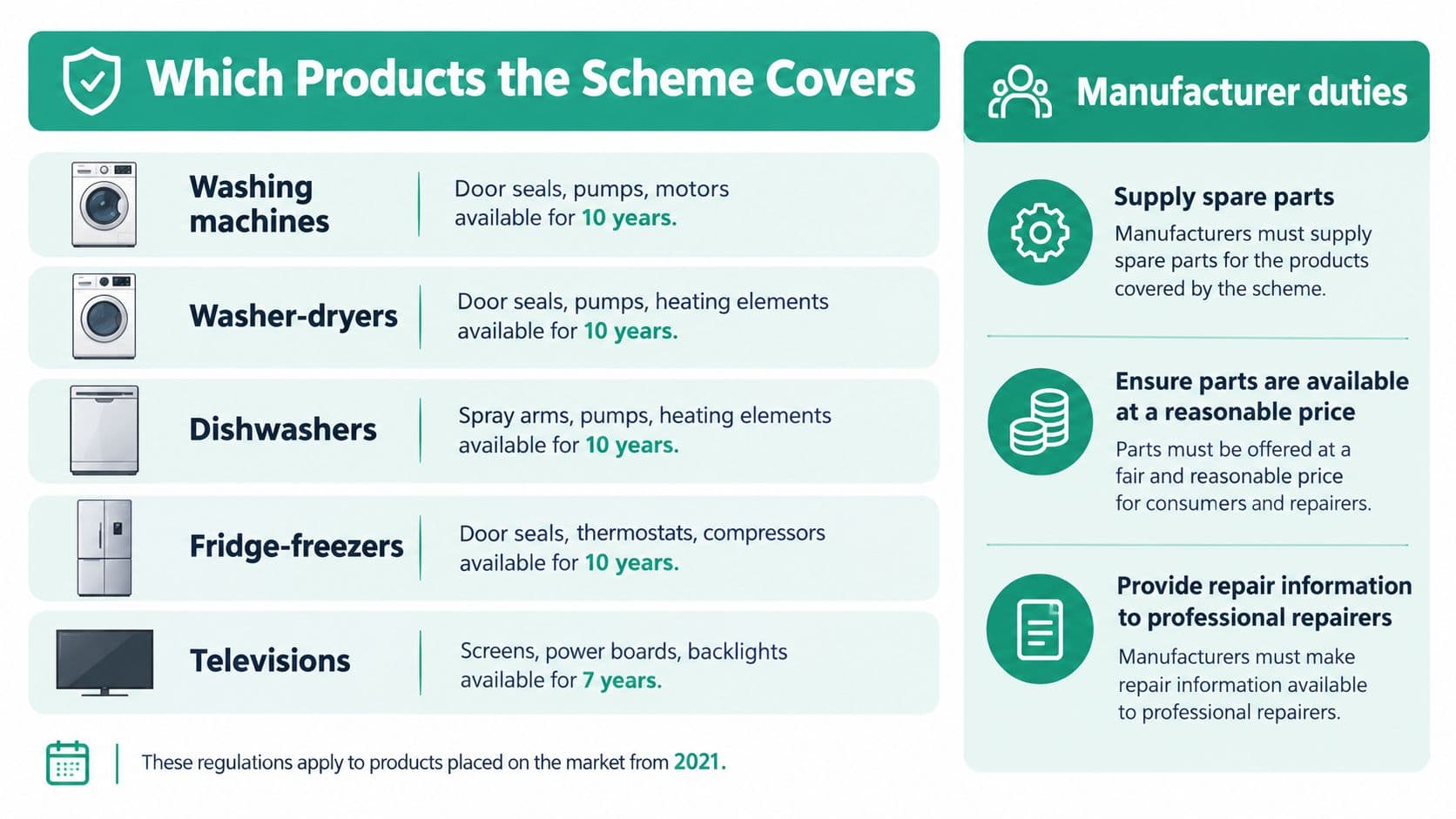
For the products it does cover, manufacturers must:
- Keep specified spare parts available for professional repairers for between 7 and 10 years after the last unit of the model was placed on the market (the exact period varies by product type)
- Supply parts within generally 15 working days of an order
- Provide repair information to registered professional repairers within one working day
- Make some parts, such as door gaskets and handles on fridges, available to end users as well as professionals
These are availability requirements, not guarantees of affordable parts, free labour or a successful outcome. If your landlord supplied an appliance and it has broken down, the first step is checking whether the landlord accepted responsibility for maintaining it. Check your tenancy agreement, any appliance inventory and your previous correspondence.
Spare-part rules on legislation.gov.uk
Your Landlord's Repair Duties
For your home itself, housing law is what matters. In England, the Landlord and Tenant Act 1985 requires your landlord to keep the following in repair:
- The structure and exterior of your home, including roofs, walls, windows and drains
- Water, gas and electricity installations
- Heating and hot water systems
- Sanitation, including baths, sinks, toilets and pipes
The Homes (Fitness for Human Habitation) Act 2018 adds that your home must be fit to live in throughout the tenancy. A home with serious damp, structural defects or persistent cold may fall below that standard.
In Wales, housing obligations are set out under the Renting Homes (Wales) Act 2016. Welsh tenants should check the terms of their occupation contract rather than assuming that England-specific rules apply. See housing disrepair in Wales.
Common problems and which right applies
| Typical problem | Which law applies | First step |
|---|---|---|
| Landlord-supplied washing machine stops working | Appliance scheme may assist; tenancy terms help establish responsibility | Check ownership and report the fault in writing |
| Boiler stops providing heating or hot water | Housing repair duties (England or Wales) | Report the loss of service and any vulnerability |
| Roof leaks into a bedroom | Housing repair duties | Photograph water entry and report the location |
| Fixed electrical installation appears unsafe | Housing repair and safety duties | Use the landlord's urgent reporting route immediately |
| Your own television fails | Product scheme and consumer rights may apply | Contact the seller or a suitable repairer |
You should establish who is responsible before paying privately for work or assuming that the cost can be recovered later.
Reporting Repairs: What to Include
A repair report is more useful when it describes what is happening rather than saying that the property is generally in poor condition. Your landlord needs enough detail to locate the problem and assess its urgency.
Before a landlord can be held liable, they must have been told about the problem. Written notice is strongly recommended because it is easier to prove later. If you previously reported something by telephone, record the approximate date, what you said and any reference number, and then send a written follow-up.
Damp, leaks and heating
If you have damp or mould, photographs should show both the affected area and its position in the room. Your report should explain whether it returns after cleaning and whether the wall feels wet. A reasonable response from your landlord should investigate the cause, not just redecorate.
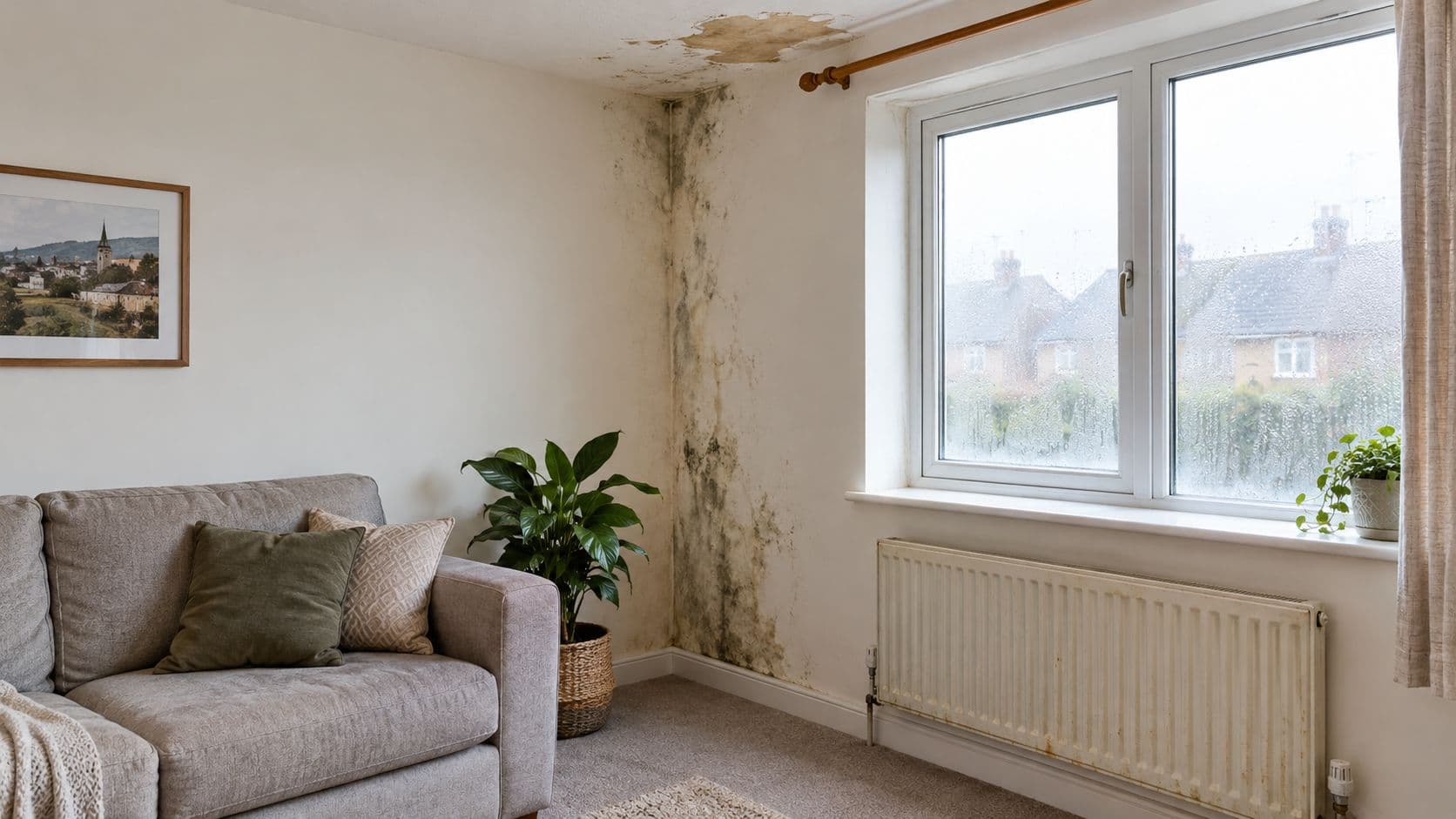
Leaks and water ingress should be described with enough detail for the repair team to investigate. Note whether the leak follows rainfall or the use of plumbing. Repairing the source matters as much as dealing with the resulting damage.
For heating or hot water failures, be precise about what is happening. Report fault codes on the boiler display, whether taps stay cold or whether only some radiators are warming up. If a member of your household is elderly, disabled or very young, include that in your report, as it can affect the urgency of the response.
Electrical, structural and appliance concerns
- Scorch marks, sparking sockets or repeated loss of power need prompt reporting through the urgent channel. Do not remove socket covers or attempt electrical work yourself.
- A widening crack, loose ceiling material or an unstable handrail should be photographed from a safe position. Note whether the condition has changed since you first noticed it.
- If a landlord-supplied appliance has broken down, report it with the make, model and serial number. Confirm maintenance responsibility before arranging any private repair.
Notice and Response Timelines
Repair response times depend on the problem, its urgency and the landlord's published policies. A dangerous condition should not be treated the same as a routine cosmetic repair.
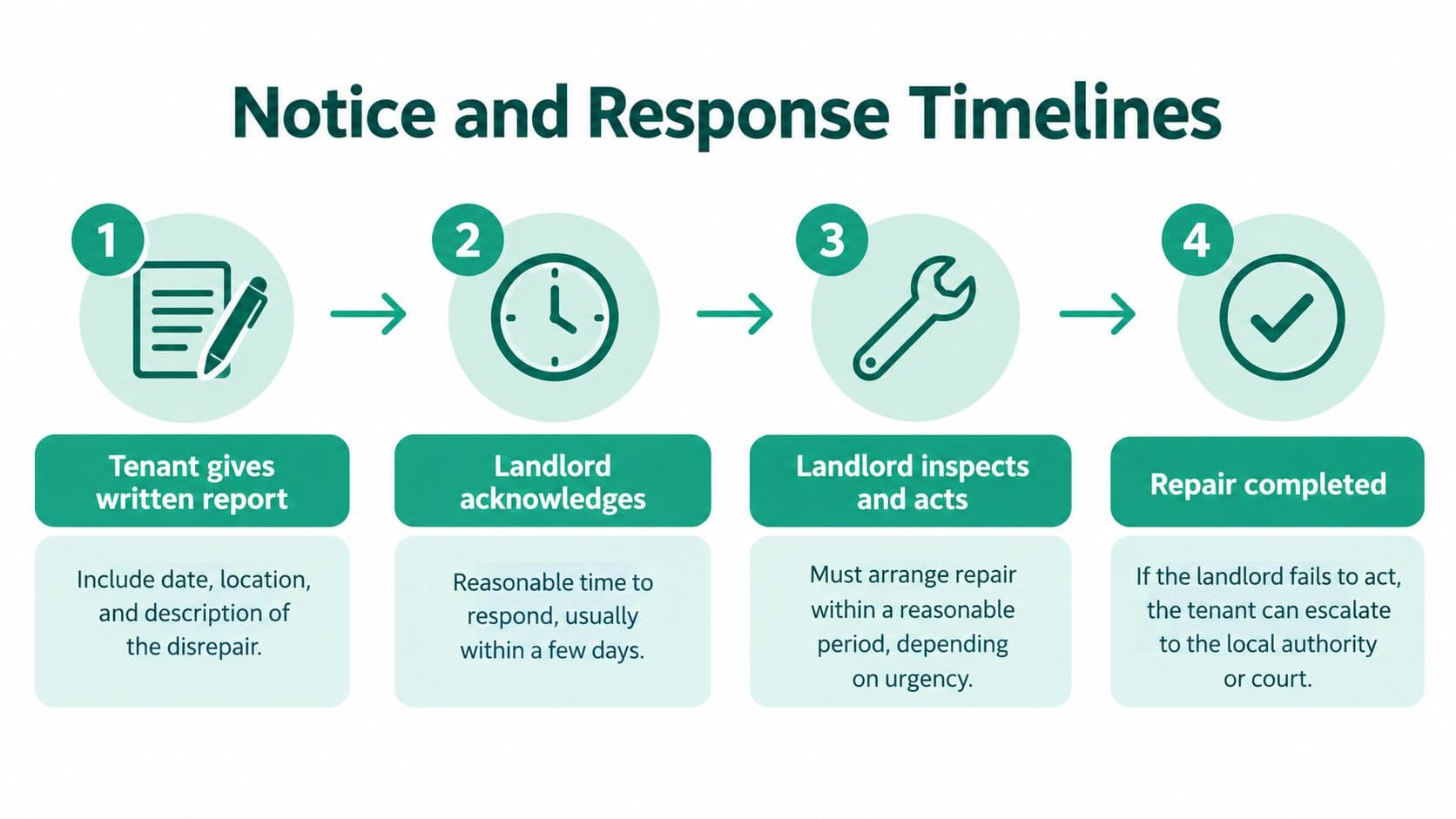
When you report a repair:
- Record the initial notification. Include the address, affected area, what symptoms you have noticed and any relevant risks. Save the email, form confirmation or notes from a telephone call.
- Ask for a reference and next action. Find out whether an inspection is needed, who will arrange it and how appointments will be confirmed.
- Keep appointment records. Note visits, missed appointments, what contractors communicated and whether the repair resolved the problem.
- Follow up on unresolved defects. Refer back to the original report and explain what remains wrong. A repair marked as complete in the landlord's system may still need further work.
The written report stage shown in the diagram is recommended practice, not an absolute legal requirement. The timeline shown is also illustrative and should not be read as a statutory deadline.
Awaab's Law
Awaab's Law sets clearer requirements for certain hazards in England's social housing. Its application depends on the specific hazard and the phase of rules currently in operation. You should not assume that one deadline applies to every repair. Welsh tenants need to check the requirements applicable in Wales. England-specific Awaab's Law guidance should not be substituted for Welsh housing obligations.
Free Routes Before Legal Action
You do not need a solicitor or claims management company to report disrepair, complain to your landlord or approach the relevant Ombudsman. These routes allow your landlord's handling of the problem to be examined without purchasing representation.
A formal complaint should distinguish between the outstanding defect and the service failure. For example, the roof may still be leaking, while the service complaint concerns missed appointments and unanswered messages.
A useful complaint includes your existing repair reference, a short chronology and the outcome you are seeking: an inspection, a clear repair plan, an explanation of delays or consideration of documented losses.
In England, the Housing Ombudsman Service provides a free, independent route for social housing complaints. It can order remedial action including repairs and consider compensation where appropriate. See how the Housing Ombudsman works.
In Wales, check the Public Services Ombudsman for Wales route and whether your landlord and complaint fall within its remit. The English Housing Ombudsman process is not the default route for Welsh social housing.
When to Consider Legal Advice
Legal advice may be appropriate if a serious defect remains unresolved after you have notified your landlord, responsibility is being disputed, or you need an assessment of harm and losses.
You may be entitled to repairs or compensation, but neither outcome can be assumed without assessing the facts. A refusal or delay needs to be looked at alongside what the landlord knew, the nature of the defect and the full circumstances.
A regulated claims management company can offer an initial assessment and refer suitable cases to a solicitor. It is not a law firm. Any no-win, no-fee arrangement involves no upfront charges and no fee if the claim fails, provided you co-operate fully with your solicitor and act honestly throughout. Written terms should explain any success deduction, cancellation provisions and circumstances in which charges could arise.
For more information, see housing disrepair solicitors. The free routes remain available and do not require a commercial service.
If you live in Wales
The information in this guide refers to the housing framework in England unless otherwise stated. If you rent in Wales, different laws apply. See housing disrepair in Wales.
Is your landlord ignoring repairs?
There is no charge for our assessment, and no obligation to continue. If you choose to go ahead, the solicitor will explain their own terms and any charges before you agree.
Frequently Asked Questions
Related guides

Landlord responsibilities
6 min read
What your council or housing association landlord must legally repair, how quickly they must act, and what to do if they ignore your reports.
Read guide
Housing disrepair in Wales
7 min read
Welsh tenant rights for housing disrepair: Renting Homes Act, PSOW complaints route, and how Wales differs from England.
Read guide
The Housing Ombudsman: A Tenant's Guide
5 min read
What the Housing Ombudsman does, who can use it, how to complain and how to contact it, explained for council and housing association tenants.
Read guideNeed Help?
Council Repair Claims can help you understand whether your situation may support a disrepair claim and, if appropriate, refer you to a regulated solicitor. There is no charge for our assessment, and no obligation to continue. If you choose to go ahead, the solicitor will explain their own terms and any charges before you agree.
Contact us on 03330 111104 or email info@councilrepairclaims.co.uk
This article provides general information for tenants in England and Wales and is not legal advice. Responsibilities, deadlines and available remedies depend on the jurisdiction and individual circumstances. No claim outcome is guaranteed. Anyone considering a claim should seek advice on their own situation.
Content correct as of Oct 2026.