
You may be able to claim compensation
If damp or mould has been reported and not properly fixed, you may be able to claim repairs and compensation from your council or housing association.
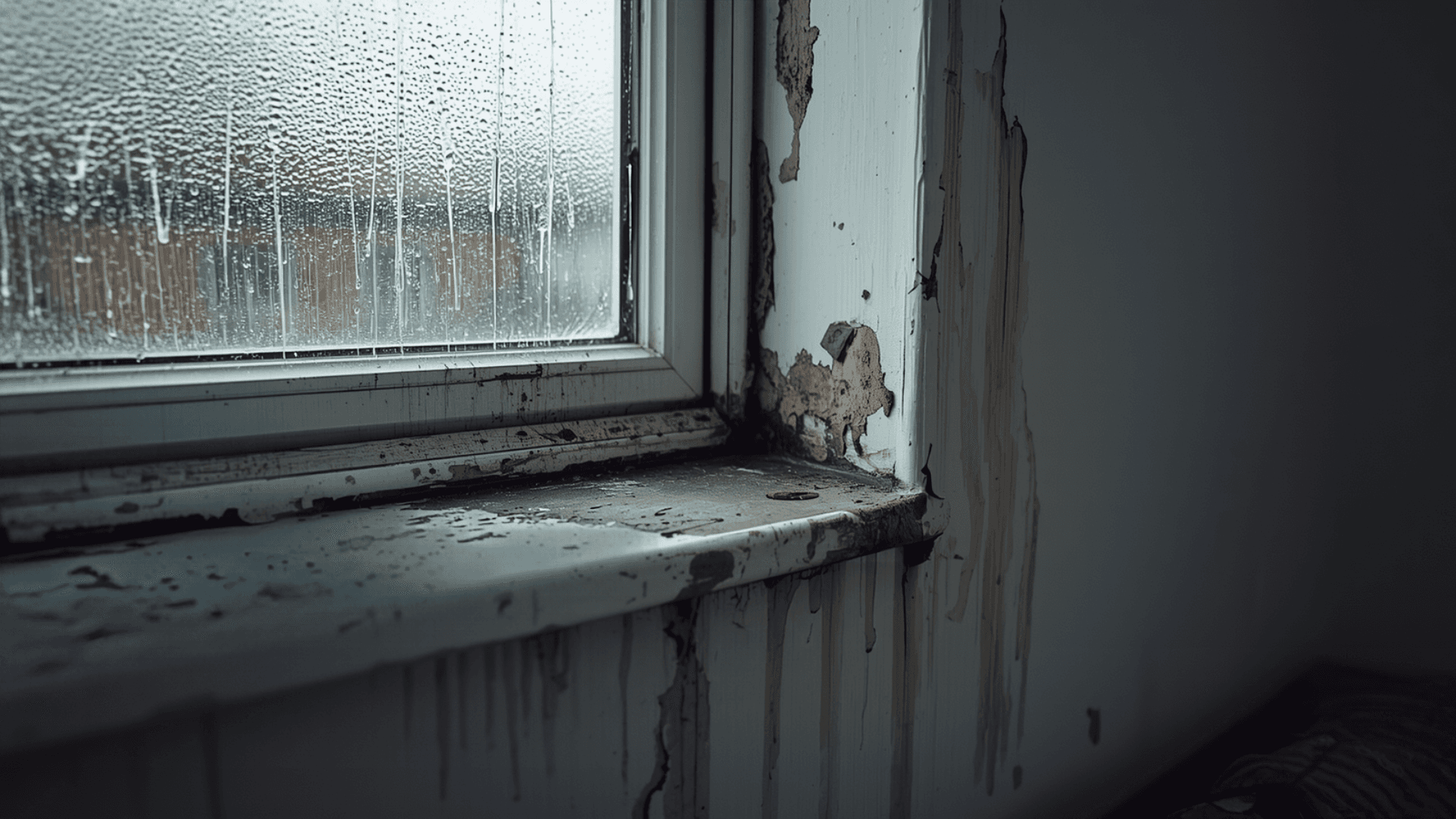
If you rent from a council or housing association and damp or mould keeps coming back after you have reported it, you may be able to make a damp and mould claim for repairs and compensation. Here is what causes it, what you can safely try yourself, what to avoid, and what your landlord must do.
Still cleaning it yourself? How to get rid of damp and mould in social housing
If damp or mould has been reported and not properly fixed, you may be able to claim repairs and compensation from your council or housing association.
Condensation, water getting in from outside or a leak, or rising damp. Each needs a different fix.
Council and housing association landlords must keep the structure and heating in repair and your home fit to live in, and should investigate the cause.
Send photos with dates and keep a copy. A written record is the foundation of any complaint or claim.
Damp is unwanted moisture in your walls, floors, ceilings or the air in your home. Mould is what it leaves behind: a fungus whose spores are floating around every home, and which starts to grow as soon as it finds a damp surface to land on.
That makes mould a warning sign rather than the cause. If you only deal with the mould, the damp underneath is still there. Colour doesn't tell you how harmful it is.
Black, green, white and grey mould should all be taken seriously.
The one ingredient you can cut off.
Paint, wallpaper, plaster, wood, fabric, even dust.
Normal room temperatures are enough.
It can start within days on a damp surface.
Every home makes moisture. A household can release several litres of water into the air every day through breathing, cooking, washing and drying clothes. It becomes a problem when it has nowhere to go, or when water gets in from outside.
| Type | What you might see | Usual cause | Who usually fixes it |
|---|---|---|---|
| Condensation | Water beads on windows, mould in corners, behind wardrobes and on cold outside walls; worse in winter | Warm, moist air meeting cold surfaces, made worse by poor ventilation, weak heating or missing insulation | Shared: everyday habits help, but ventilation, heating and insulation faults are for the landlord |
| Penetrating damp | Patches, stains or peeling paint that get worse after rain, often near windows, roofs or chimney breasts | Water getting in through a leaking roof or gutter, cracked brickwork or render, or failed window seals | Landlord |
| Rising damp | A tide-mark and peeling paint low down on ground-floor walls | Ground moisture travelling up a wall with a failed or missing damp-proof course | Landlord. It is often over-diagnosed, so ask for a proper survey |
| Leaks and plumbing | Damp patches or stained ceilings below bathrooms and kitchens; a musty smell | Leaking pipes, seals or fittings | Landlord for pipes and fixtures |
Wiping or painting removes what you can see, but mould's roots grow into plaster, wallpaper and wood. If the moisture is still there, it grows back, often within weeks.
A leak, a failed damp-proof course or a cold wall doesn't stop because you cleaned. Until the source is fixed, the cycle repeats.
Behind wardrobes, under floors, inside wall cavities and above ceilings. You may smell it long before you see it.
Cold walls collect condensation. When heating is too expensive to run, rooms stay cold and damp, and many households can't break that cycle alone.
Opening windows lets moisture out, but heat too. In winter that means choosing between damp and bills.
Condensation mistaken for rising damp, or the reverse, wastes months on the wrong fix. A proper inspection matters.
Find out in minutes if you could claim damp and mould compensation. It costs you nothing to check.
We are a claims management company, not a law firm. You don't have to use us: you can complain to your landlord, then the relevant ombudsman*.
*England: Housing Ombudsman. Wales: Public Services Ombudsman
These steps can help with everyday condensation. They won't cure a leak, a failed damp-proof course or missing insulation. Those are repairs for your landlord.
It sends spores into the air. Dampen the cloth and wipe instead.
Mould returns through paint. Anti-mould paint only helps once the cause has been fixed.
It can release harmful fumes, and on porous surfaces it rarely reaches the roots.
Take dated photos and video first. They are your evidence.
Withholding rent can put your home at risk. Report, complain and keep paying, and keep to your tenancy terms.
If breathing problems, skin or eye irritation keep coming back, speak to your GP and mention the damp.
Damp and mould affect more than the walls.
Can cause or worsen coughing, wheezing, a sore throat, a blocked or runny nose, and skin or eye irritation. Can trigger asthma attacks.
Babies and young children, older people, and people with asthma or other lung conditions, eczema or a weakened immune system.
Living with it can cause stress, anxiety, poor sleep and embarrassment about your home.
Ruined clothes, bedding, furniture and electricals. Damp walls lose heat, so heating can cost more too.
Rotting window frames, peeling plaster and corroded fittings. Water near electrics is also a safety risk.
Seek medical advice, or call 999 in an emergency. Tell your landlord in writing, and keep any letters from your doctor: they are valuable evidence.
Black mould is the name people usually give to dark mould growing on walls, ceilings and around windows. It is most often a sign of long-term damp. A black mould claim is treated like any other damp and mould claim.
What matters is less the colour and more the cause, how long it has been there, whether you told your landlord and what it has done to you and your home.
Black mould is not automatically "toxic". But heavy or long-lasting mould can affect health, especially for children and people with breathing conditions, so don't wait to report it.
These duties apply to your tenancy automatically. Your landlord cannot contract out of them.
Section 11 requires your landlord to keep the structure and exterior in repair, and the installations for water, gas, electricity, heating and hot water.
Read the guideYour home must be fit to live in throughout your tenancy. Serious damp and mould can make a home unfit.
Read the guideSocial landlords in England have strict time limits to investigate and fix damp and mould hazards, in force since October 2025.
Read the guideCouncil and housing association landlords owe the same core repair duties. The route for complaining differs slightly, depending on who your landlord is.
If you rent from your council, or from an organisation it has set up to manage its homes, that landlord owes the repair duties above. Follow its complaints process first, then take it to the relevant ombudsman*. Your tenancy agreement names your landlord.
Housing association tenants have the same core repair rights, whether the landlord is a large national association or a small local one. Complain to your housing association first, then take it to the relevant ombudsman*.
Not sure who your landlord is? We can help check.
*England: Housing Ombudsman. Wales: Public Services Ombudsman
Damp and mould compensation is not a fixed amount. It depends on how long the problem lasted, how serious it was, how it affected you, and the evidence. There are no guarantees.
Getting your landlord to fix the cause and put right the damage.
For the discomfort and inconvenience of living with the problem.
Damaged possessions and provable extra costs, such as cleaning or higher bills.
Where damp or mould has caused or worsened a medical condition.
Describe the problem, attach photos and ask for an inspection. Keep a copy.
Log every call, visit and reply, with dates.
If nothing happens in a reasonable time, use your landlord's complaints process.
It is free. If your landlord has not resolved the complaint, you can take it further.
You are not required to use us, but a free check takes a few minutes.
*England: Housing Ombudsman. Wales: Public Services Ombudsman
Find out in minutes if you could claim damp and mould compensation. It costs you nothing to check.
We are a claims management company, not a law firm. You don't have to use us: you can complain to your landlord, then the relevant ombudsman*.
*England: Housing Ombudsman. Wales: Public Services Ombudsman
Not sure who your landlord is? We can help check.
Answer a few quick questions about your home and what you've already reported.
What evidence helps your claimWe review what you tell us to see if a solicitor may be able to help.
If it looks suitable, we refer you to a specialist solicitor, who explains what happens next.
If your case is referred to a solicitor, we receive a referral fee from them. This is not charged to you.
This is general information, not legal advice. Government guidance, Housing Ombudsman reports, and Awaab's Law guidance may be updated. Check the date on linked resources.
It takes a few minutes and costs nothing to find out.
Remember
You don't have to use a claims management company. There is no guarantee that using a claims management company will make your claim quicker or get you a better outcome. You can complain to your landlord, then the relevant ombudsman*, for free.
*England: Housing Ombudsman. Wales: Public Services Ombudsman
